
David Hockney and the Art of Seeing
Like so many people, I was deeply saddened to hear of the passing of David Hockney, just a month shy of his 89th birthday.
British art has lost one of its true giants. Yet as I reflected on the news, I found myself thinking less about his accolades, and more about the way his work made me feel.
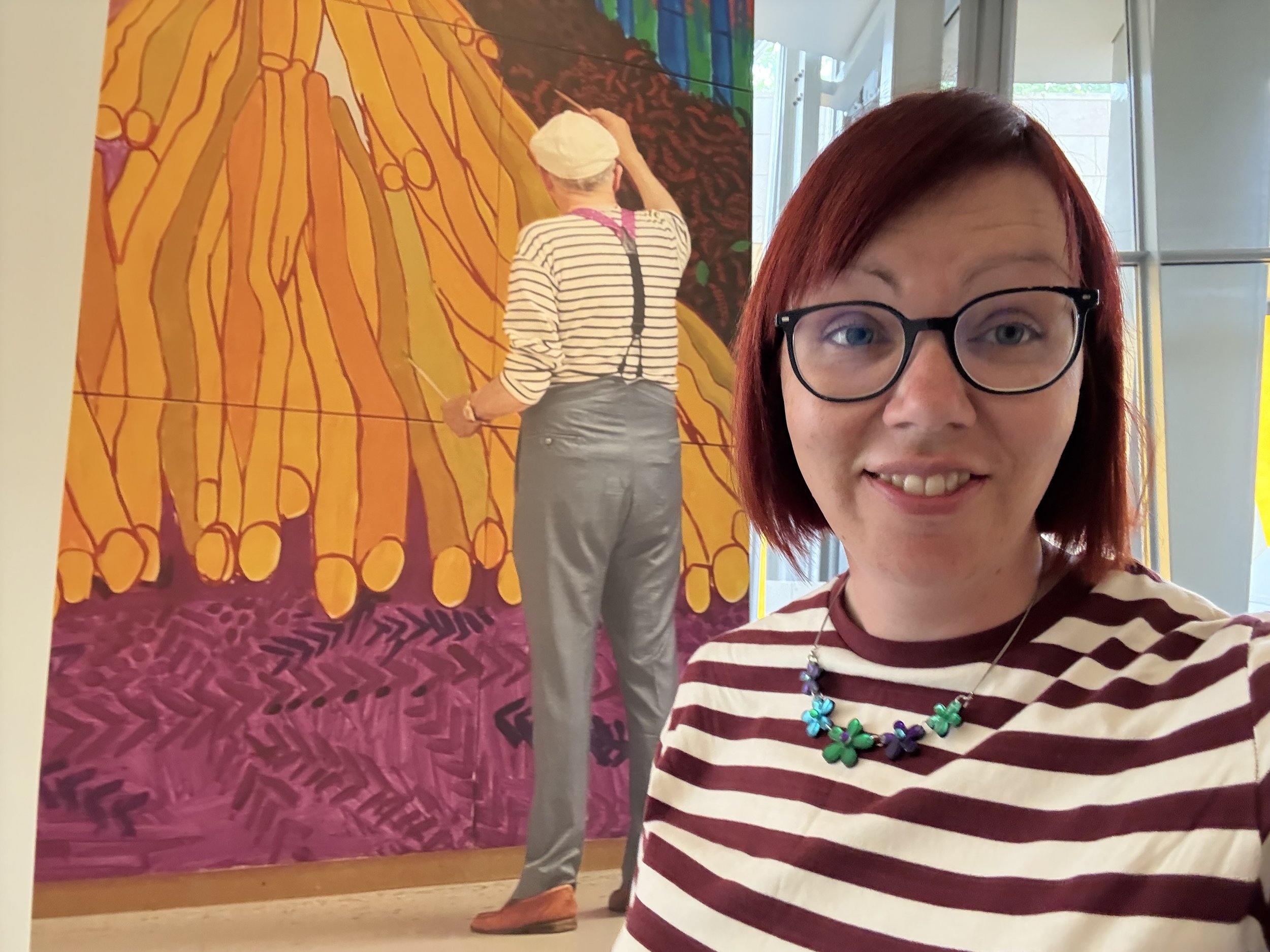
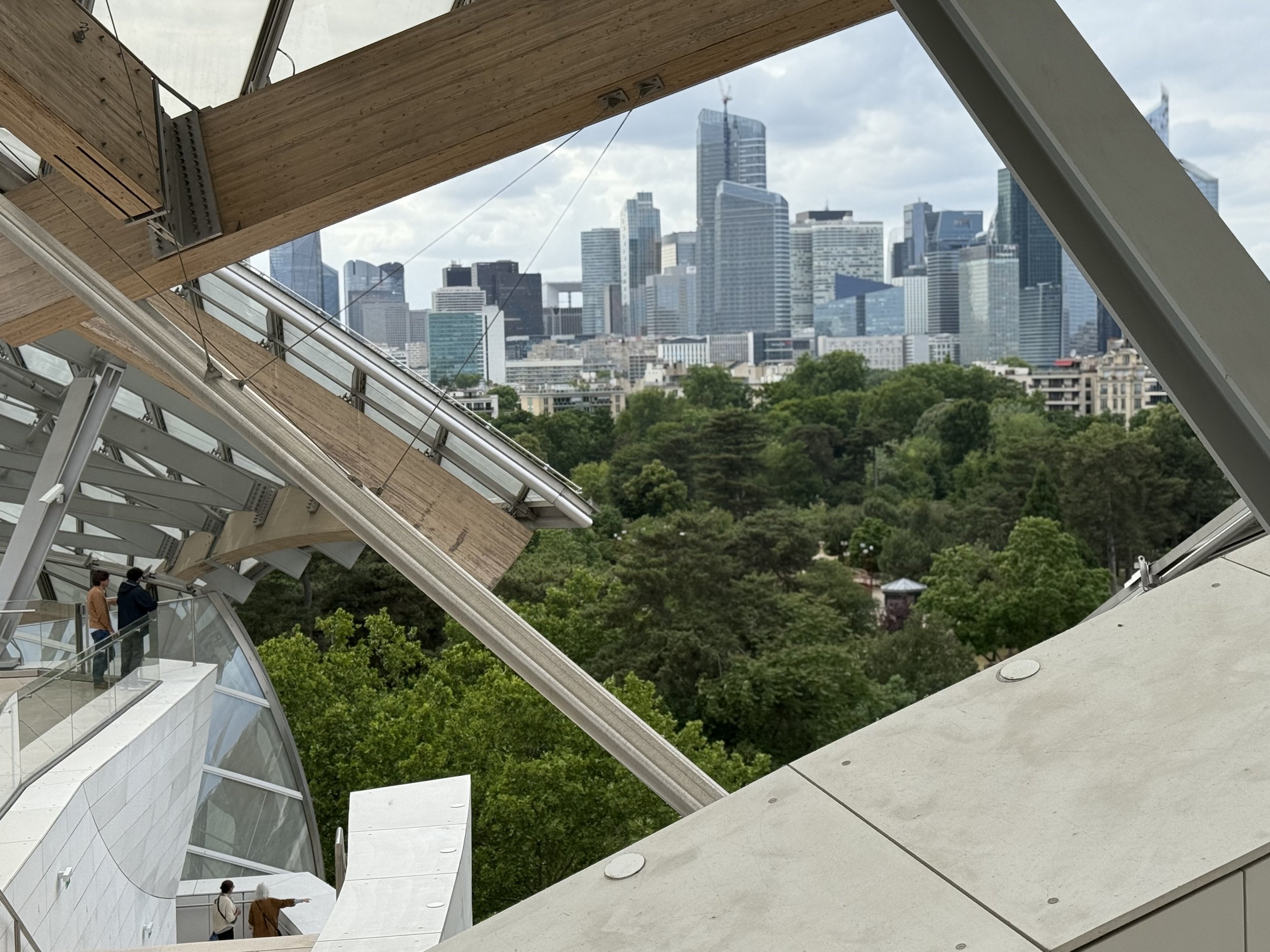
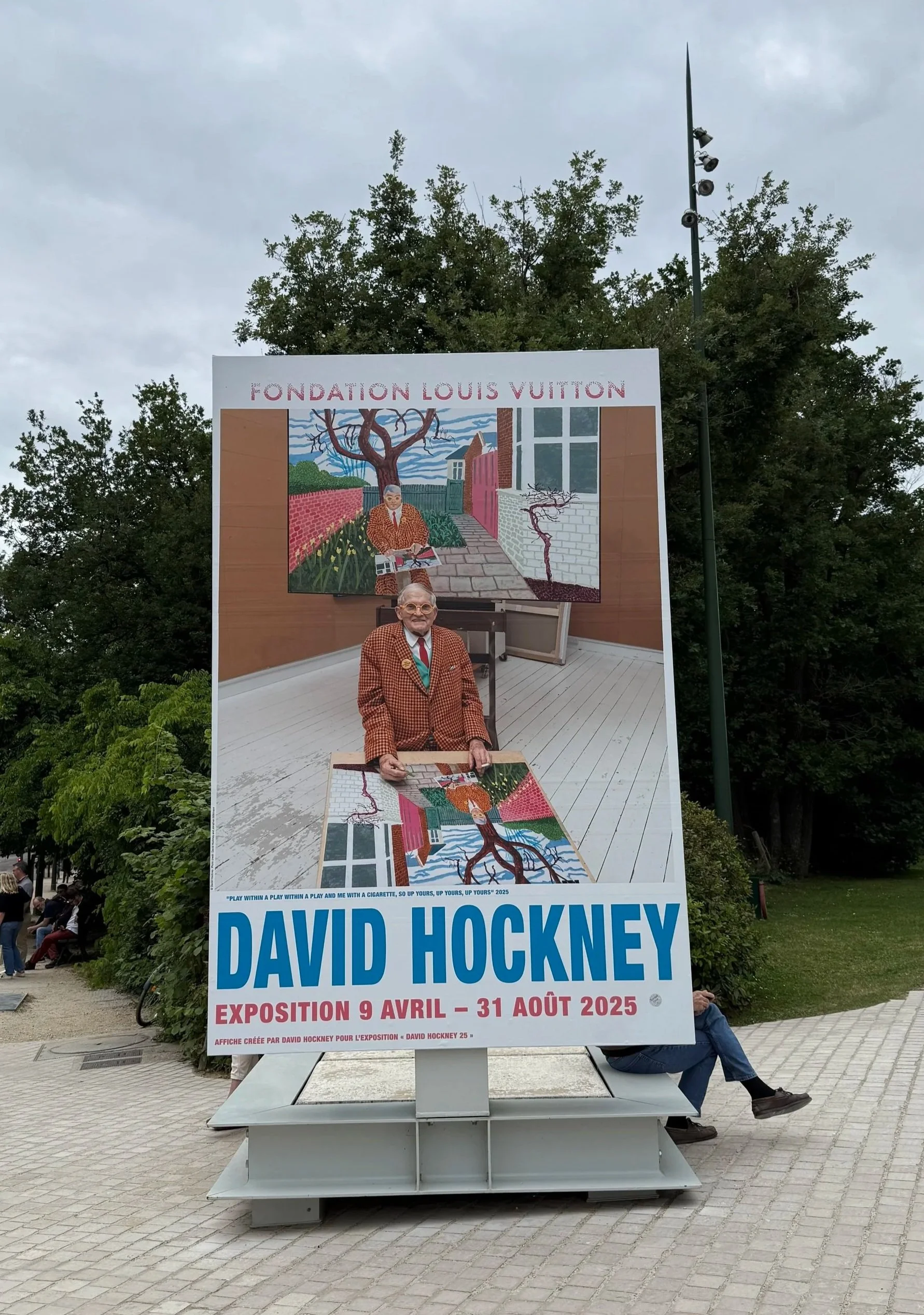
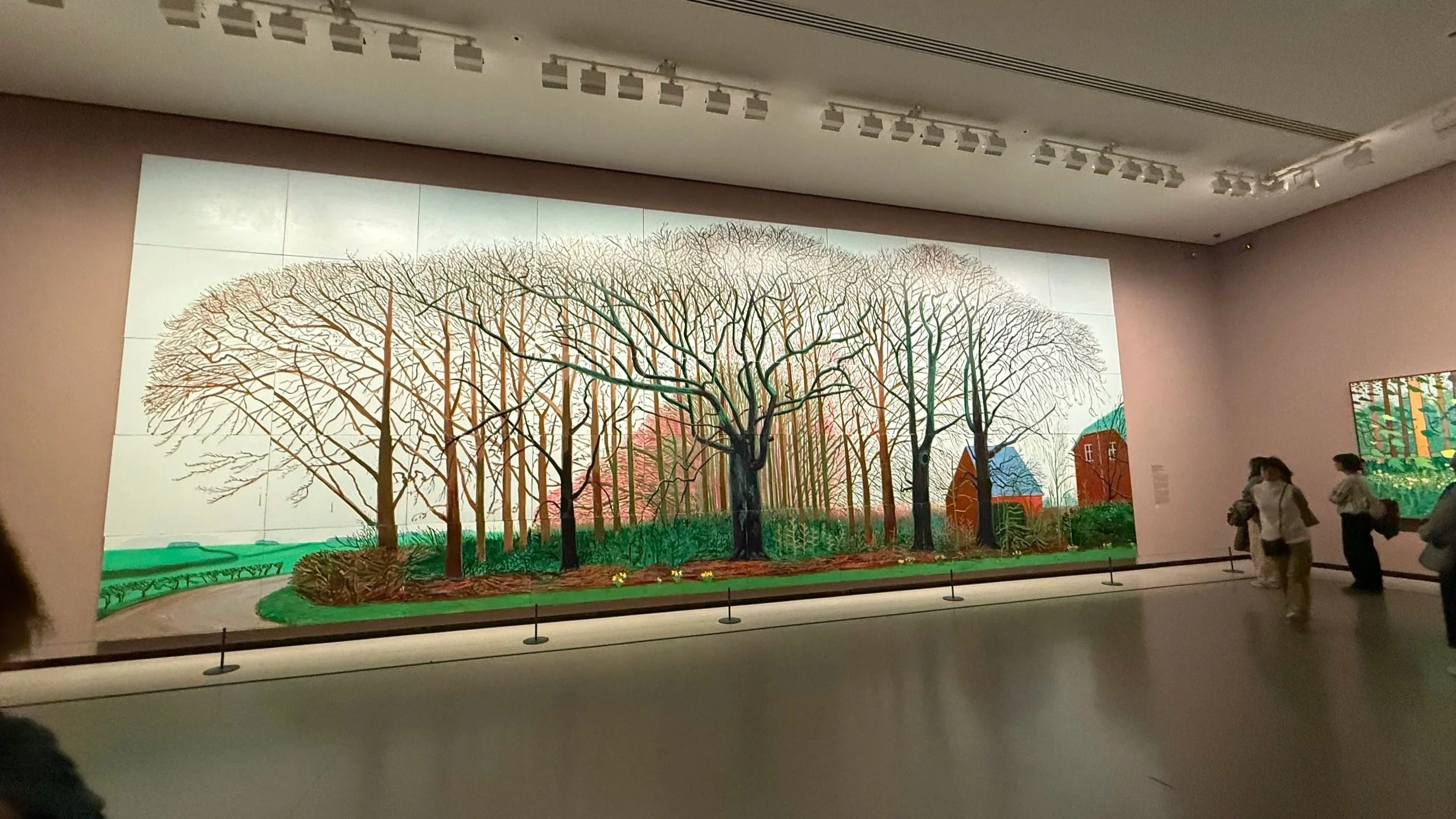
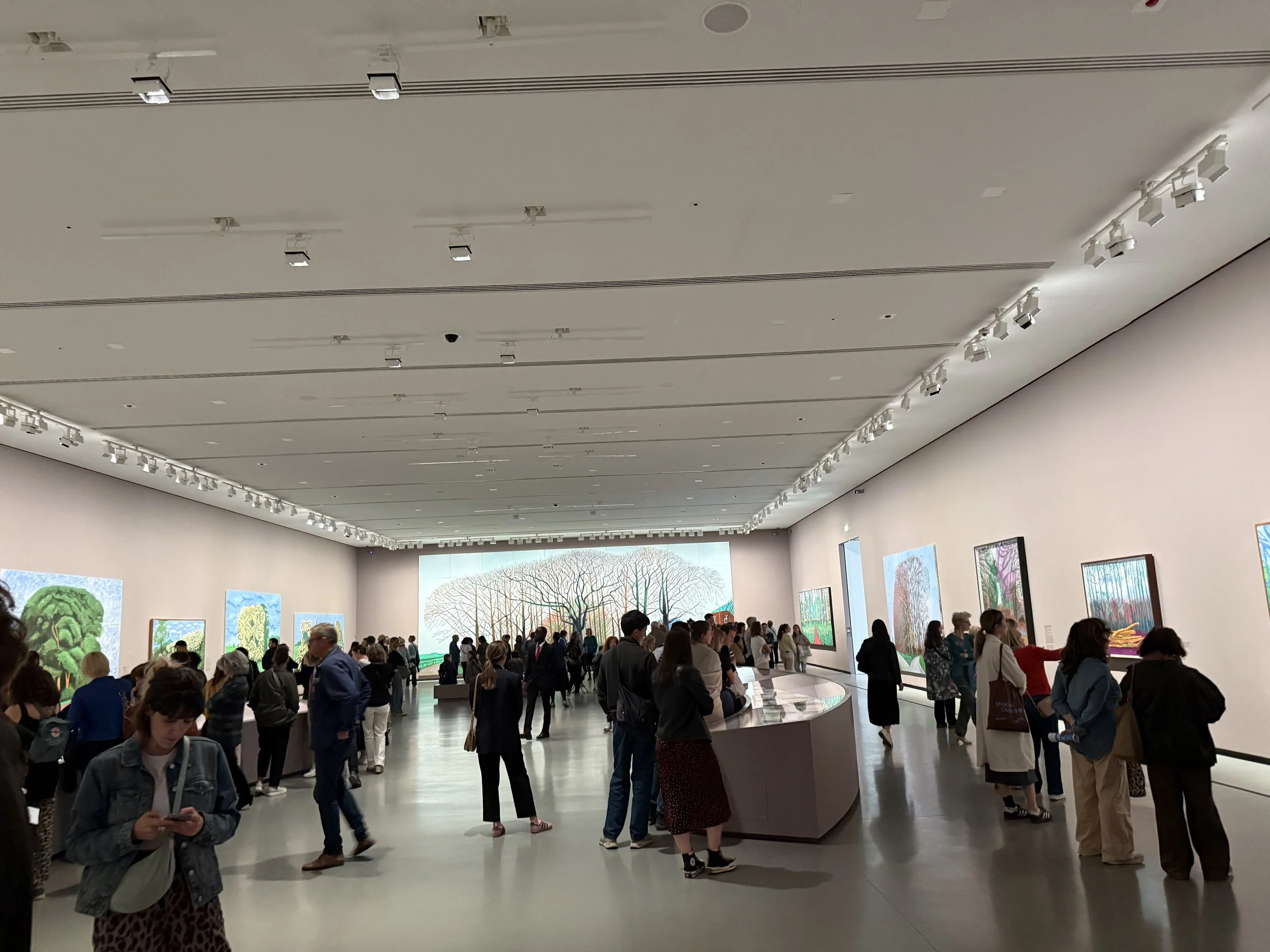
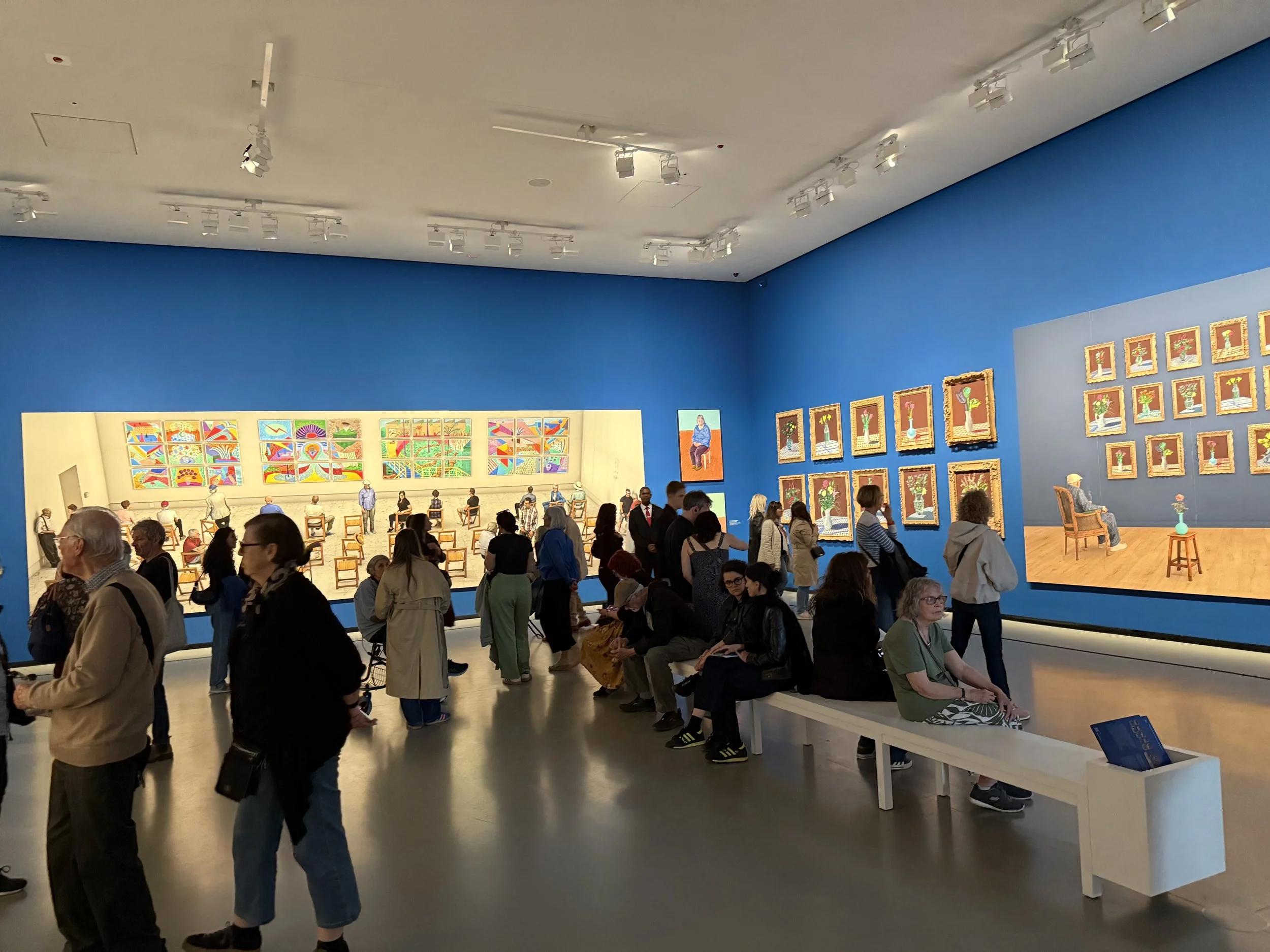
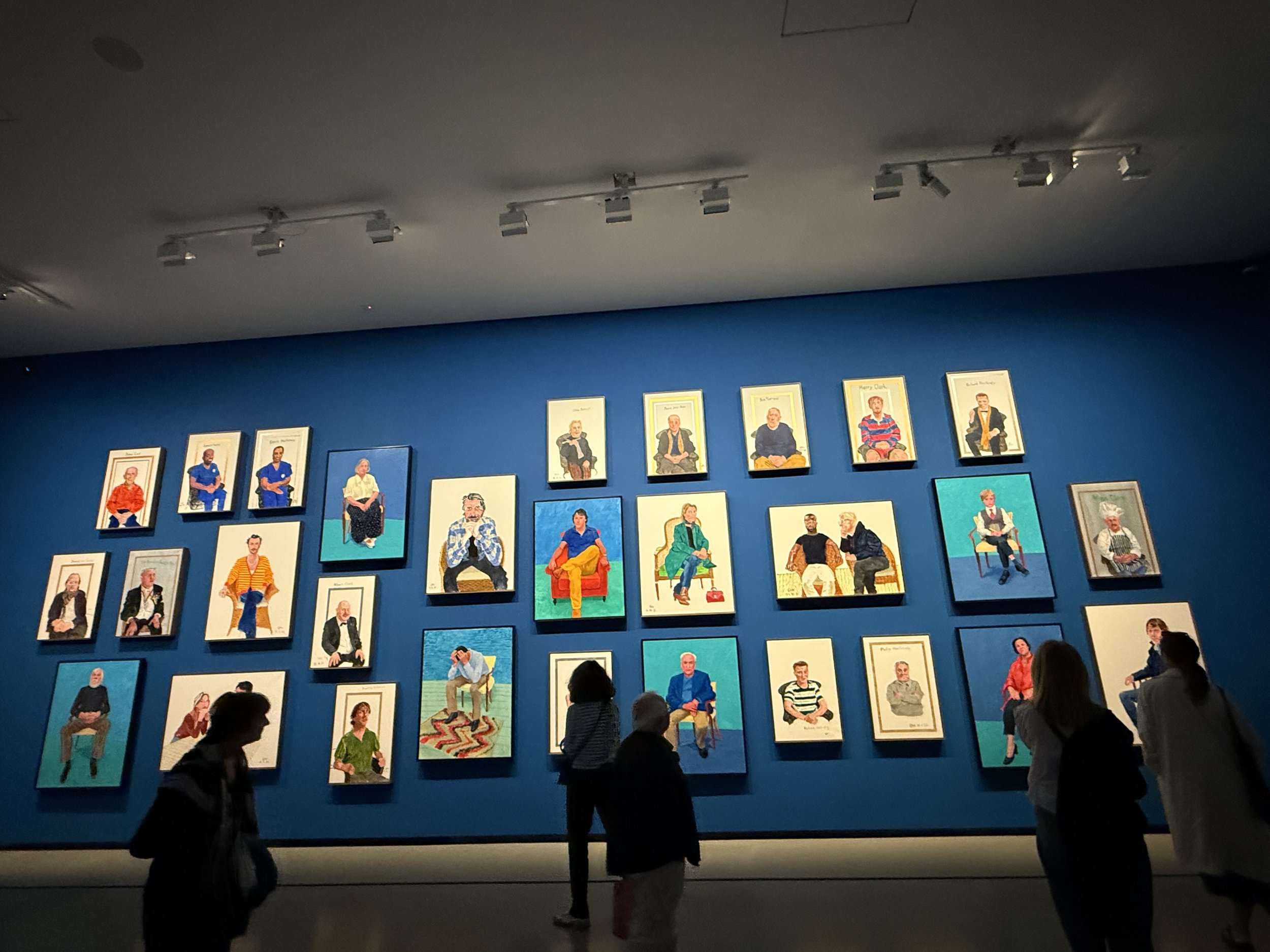
Last year I had the privilege of visiting the David Hockney exhibition at the Fondation Louis Vuitton in Paris. It remains a particularly memorable exhibition.
Walking through the galleries, surrounded by decades of work, I was struck not only by the extraordinary range of his creativity but by the sense of joy that radiated from it.
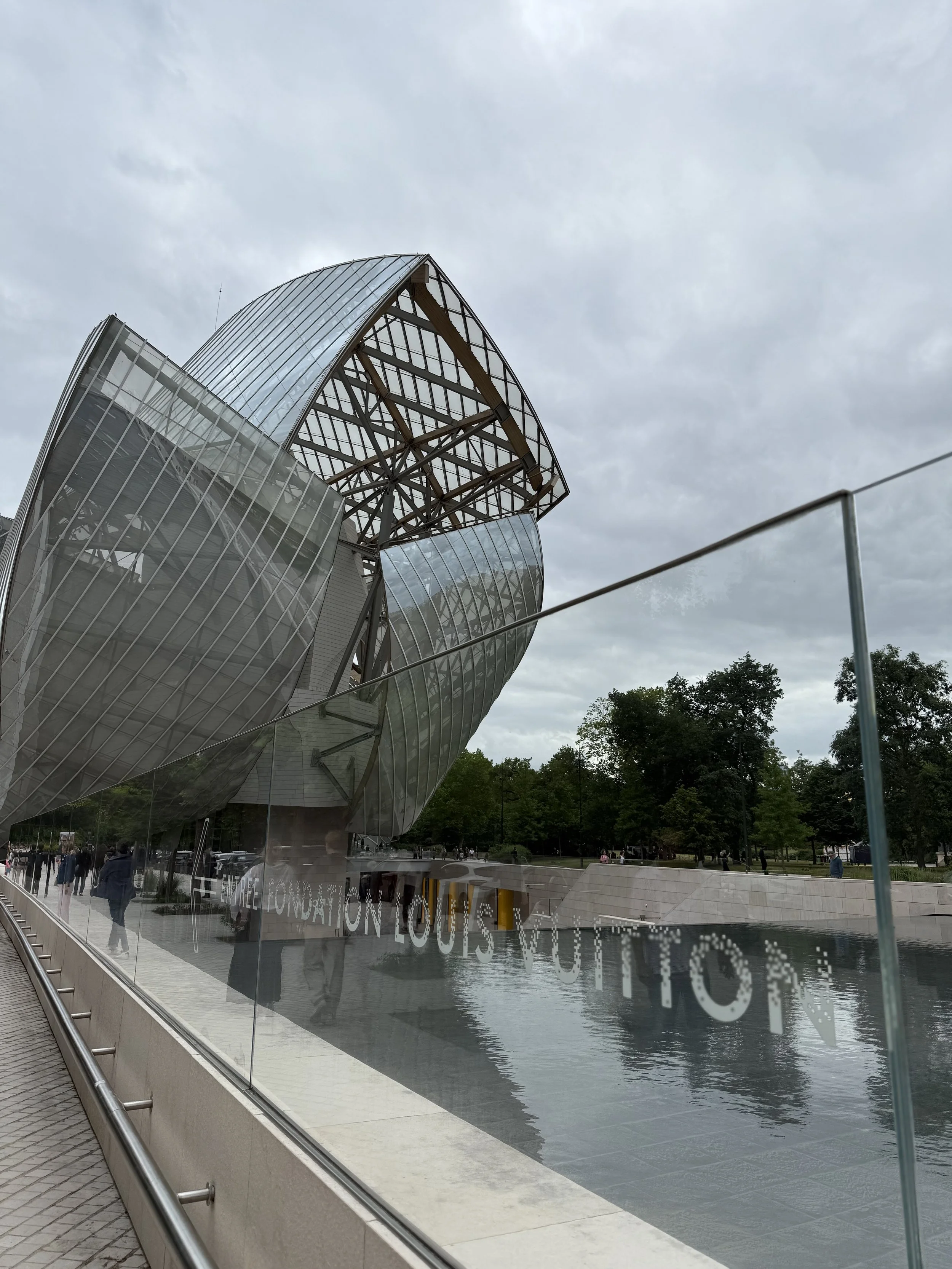
Fondation Louis Vuitton, Paris
There was something uniquely life affirming about Hockney's art. His paintings seemed to celebrate the simple act of seeing. Whether depicting a landscape, a portrait, a garden in bloom or one of his iconic swimming pools, he invited the viewer to slow down and pay attention.
That is what I will remember most about him.
His work had a remarkable ability to make me pause, look more closely and see familiar things in a new light. In a world that often encourages us to rush from one thing to the next, Hockney reminded us that beauty is all around us if we take the time to notice it.
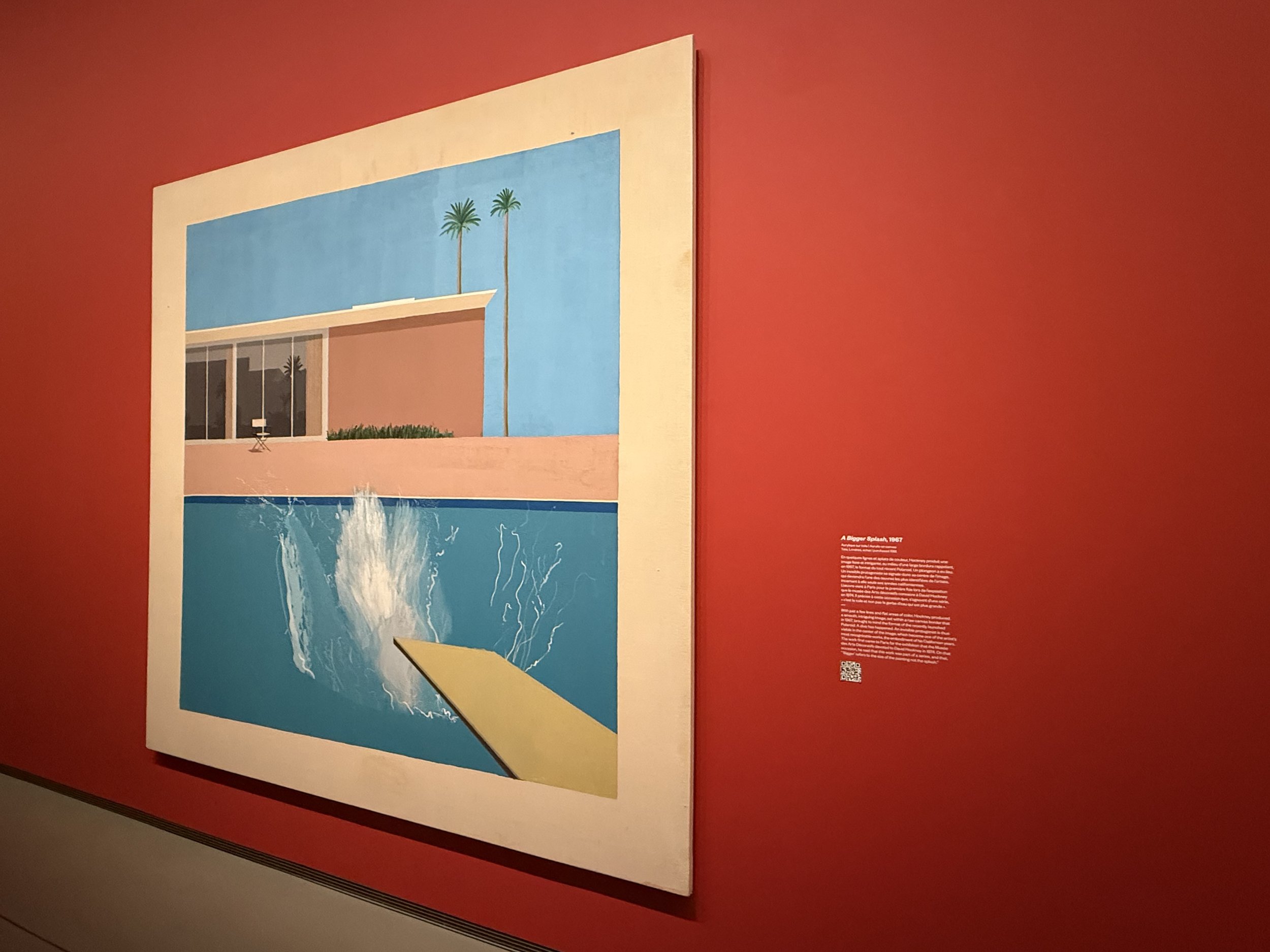
A Bigger Splash (1967) - David Hockney
What made this even more remarkable was the courage and authenticity that ran throughout his career. Long before society became more accepting, Hockney was painting his own experiences and identity with honesty and conviction. One of his early works, We Two Boys Together Clinging, painted while he was a student at the Royal College of Art in 1961, depicted two men embracing at a time when homosexuality remained illegal in Britain.
Today it is recognised as an important work, but at the time it was a quietly radical act. It spoke to the fearlessness that would define so much of his life and art. His early paintings often carried the energy of graffiti: bold, expressive and unapologetic. They were the work of an artist determined to see the world on his own terms and to share that vision with others.
Over the decades, Hockney never stopped evolving. While many artists become associated with a single style or period, he remained endlessly curious. He embraced photography, digital drawing and new technologies with the enthusiasm of someone just beginning their creative journey. There was something inspiring about that refusal to stand still.
Perhaps that is why one of his simplest messages became one of his most memorable.
During the uncertainty of the Covid-19 pandemic in 2020, Hockney shared an image of bright yellow daffodils accompanied by the words: “Do remember they can’t cancel the spring.”
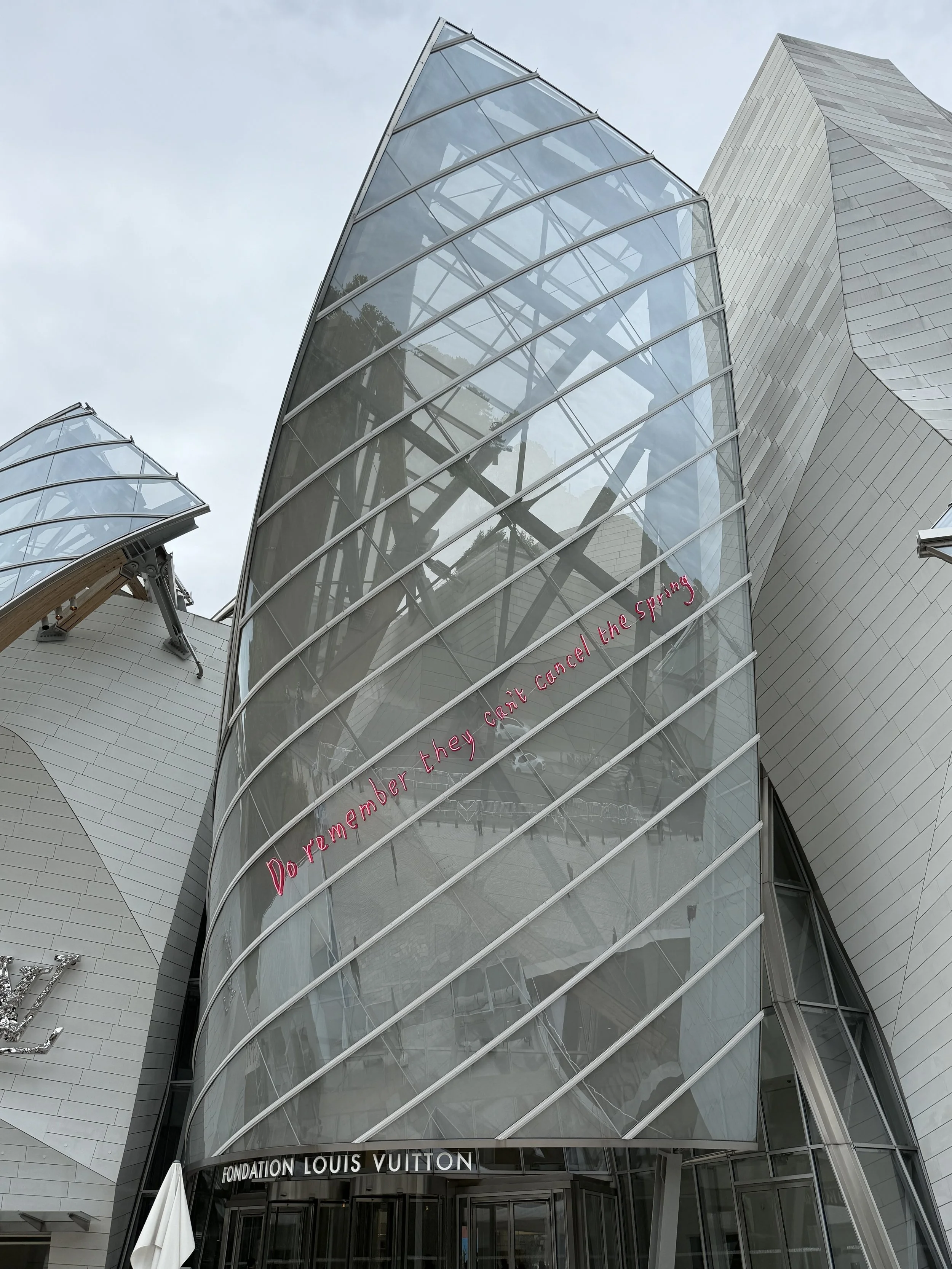
Do remember they can’t cancel the spring
Those words resonated with so many people and reflected a much needed optimism. Hockney understood that difficult times are part of life, but so too are renewal, beauty and hope. Perhaps this is why one of his simplest messages became one of his most enduring.
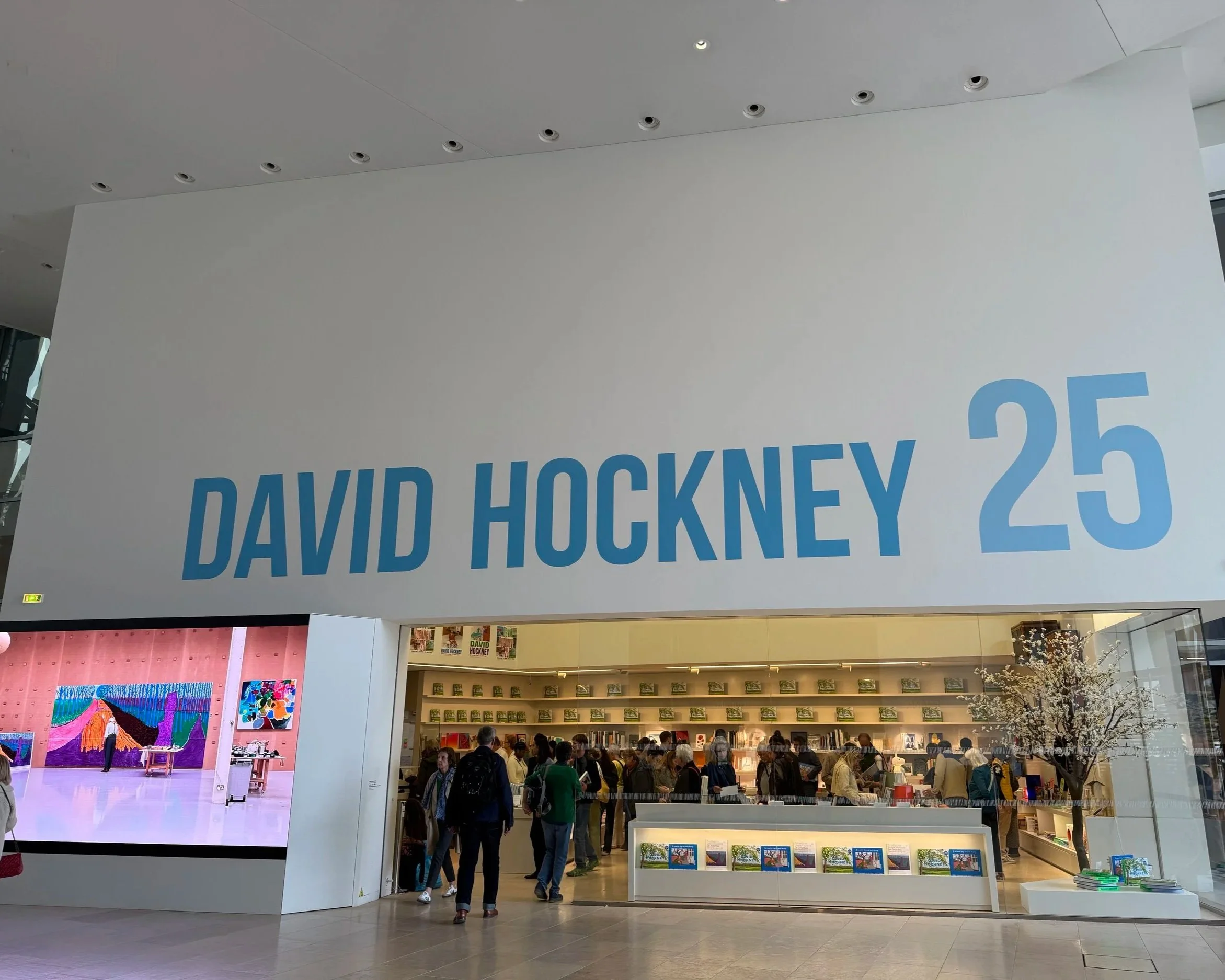
As I think back to that exhibition in Paris, I realise that what stayed with me was not simply the colour, the landscapes, or the technical brilliance of the work. It was a way of looking at the world. A reminder to remain curious, to pay attention, and to appreciate the richness of everyday life.
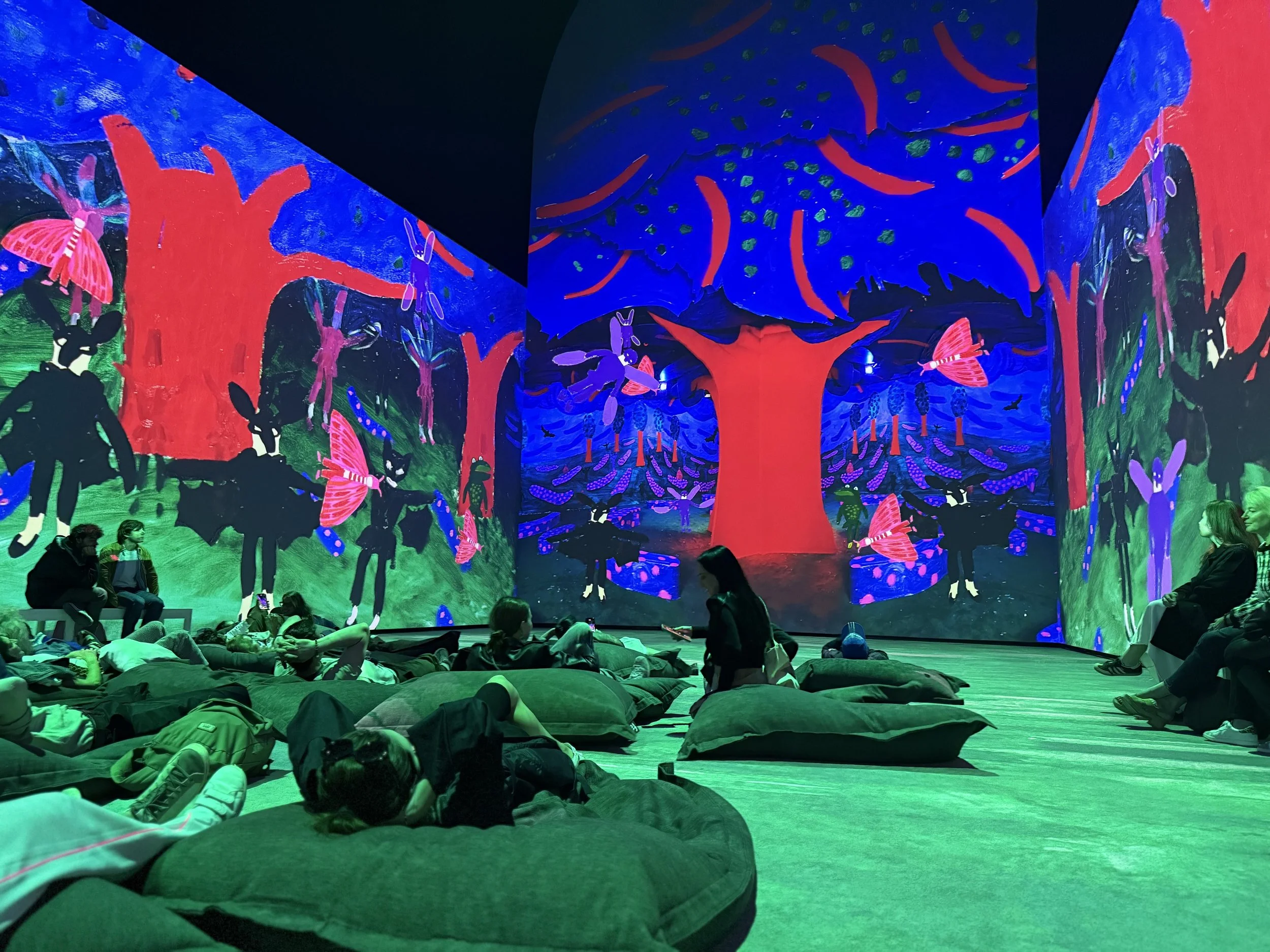
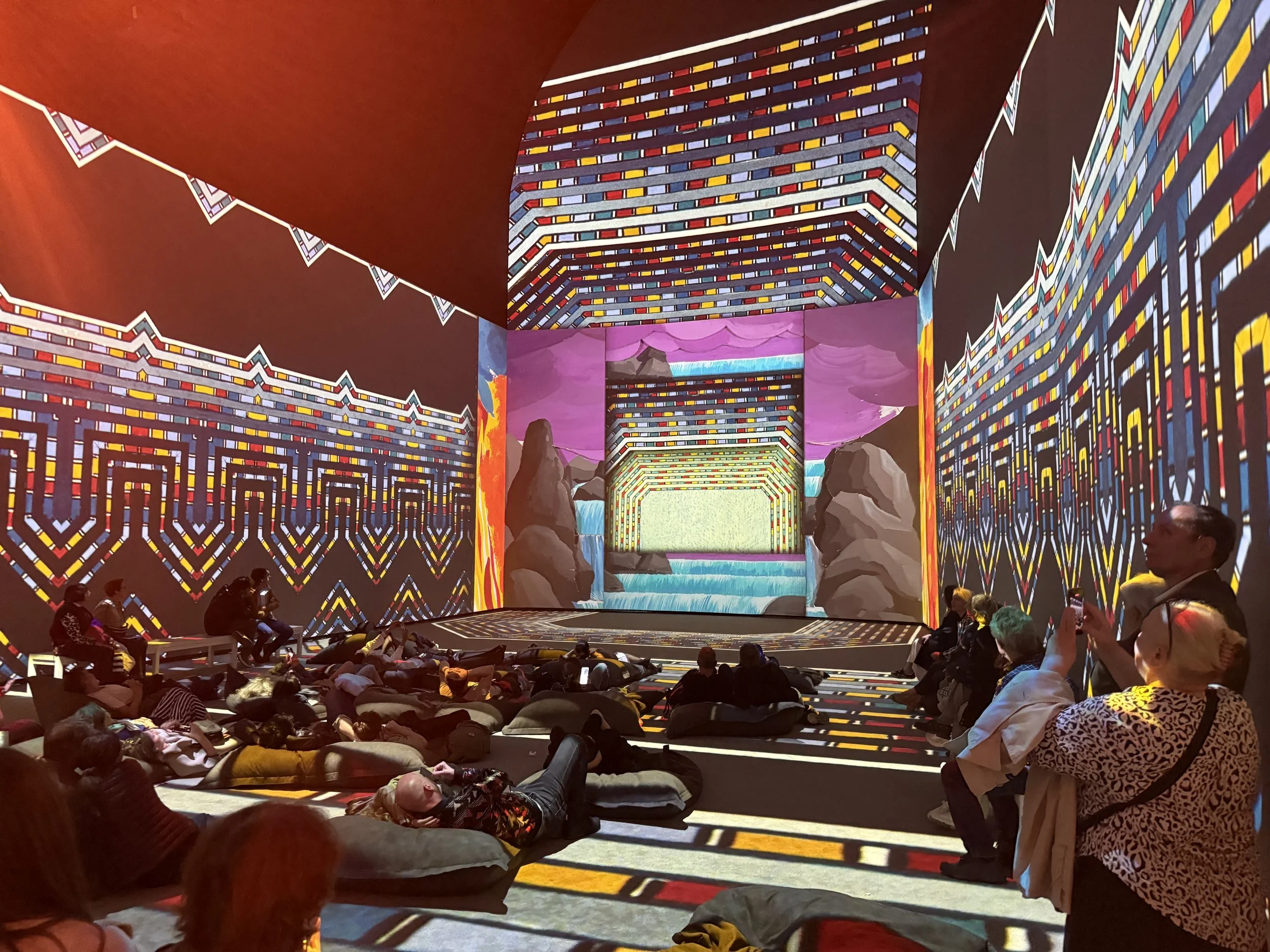
Hockney's legacy will undoubtedly live on in museums, galleries, and art history books. But it will also endure in quieter, more personal ways. In the moments when someone pauses to admire the changing seasons, notices sunlight falling across a room, or sees a familiar landscape with fresh eyes.
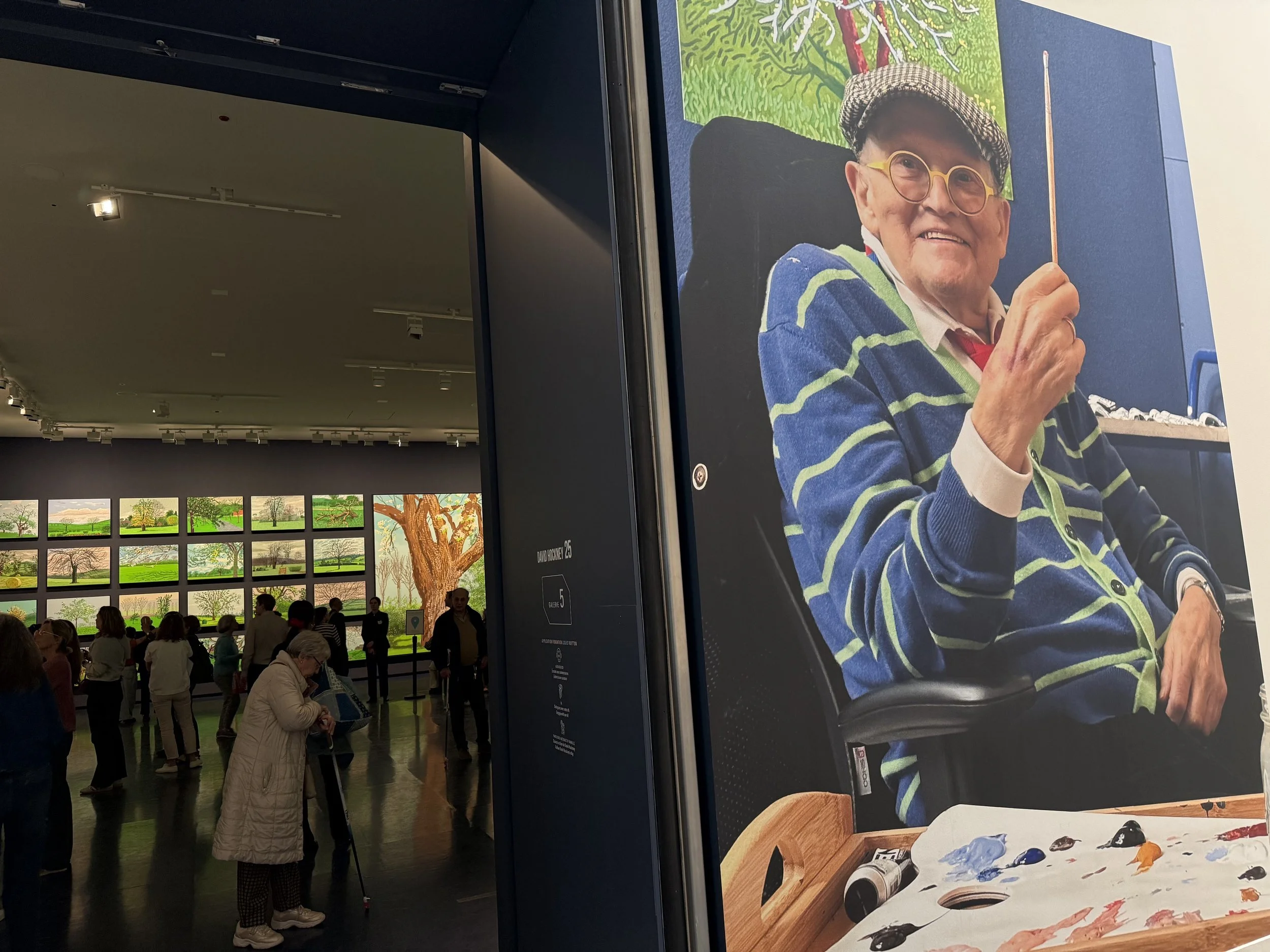
David Hockney taught generations of people not just how to look, but how to truly see.
For that, and for so much more, I will remember him with gratitude.
I'd love to hear which artist, writer, or creative figure has changed the way you see the world. Please feel free to get in touch, you can find my contact details here!
