
Tracey Emin and My Second Life
I have never sweated so much in my entire life!
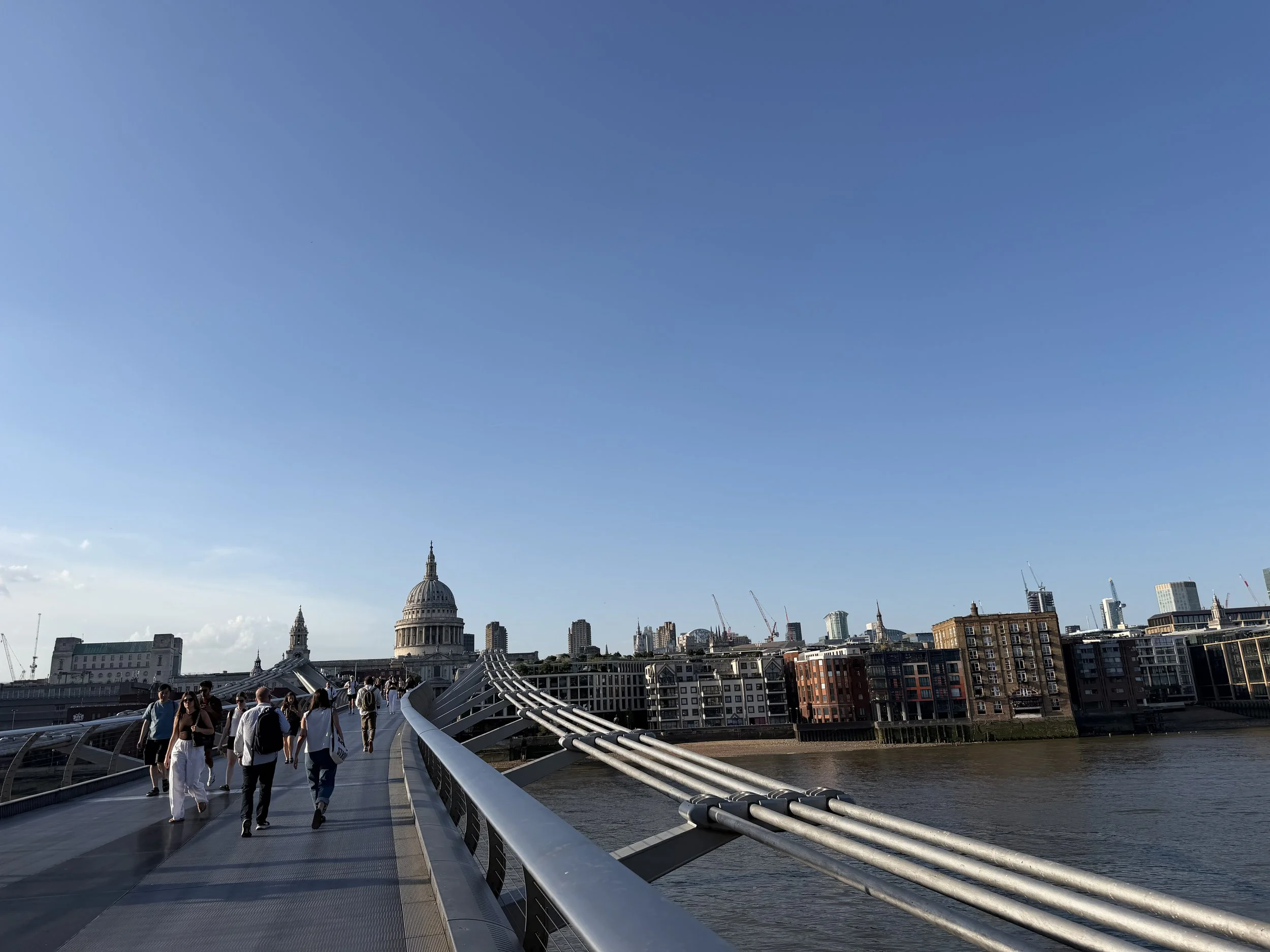
London hit 34 degrees, apparently hotter than the Bahamas. There was absolutely no way I was stepping foot on the Tube, I did not want to participate in London's very own slow-cooking experiment. Instead, I navigated my way around the city by bus, which was slightly more bearable, though only just. Every sensible person seemed to be seeking shade.
However, Dame Tracey Emin was calling and Kay must go!
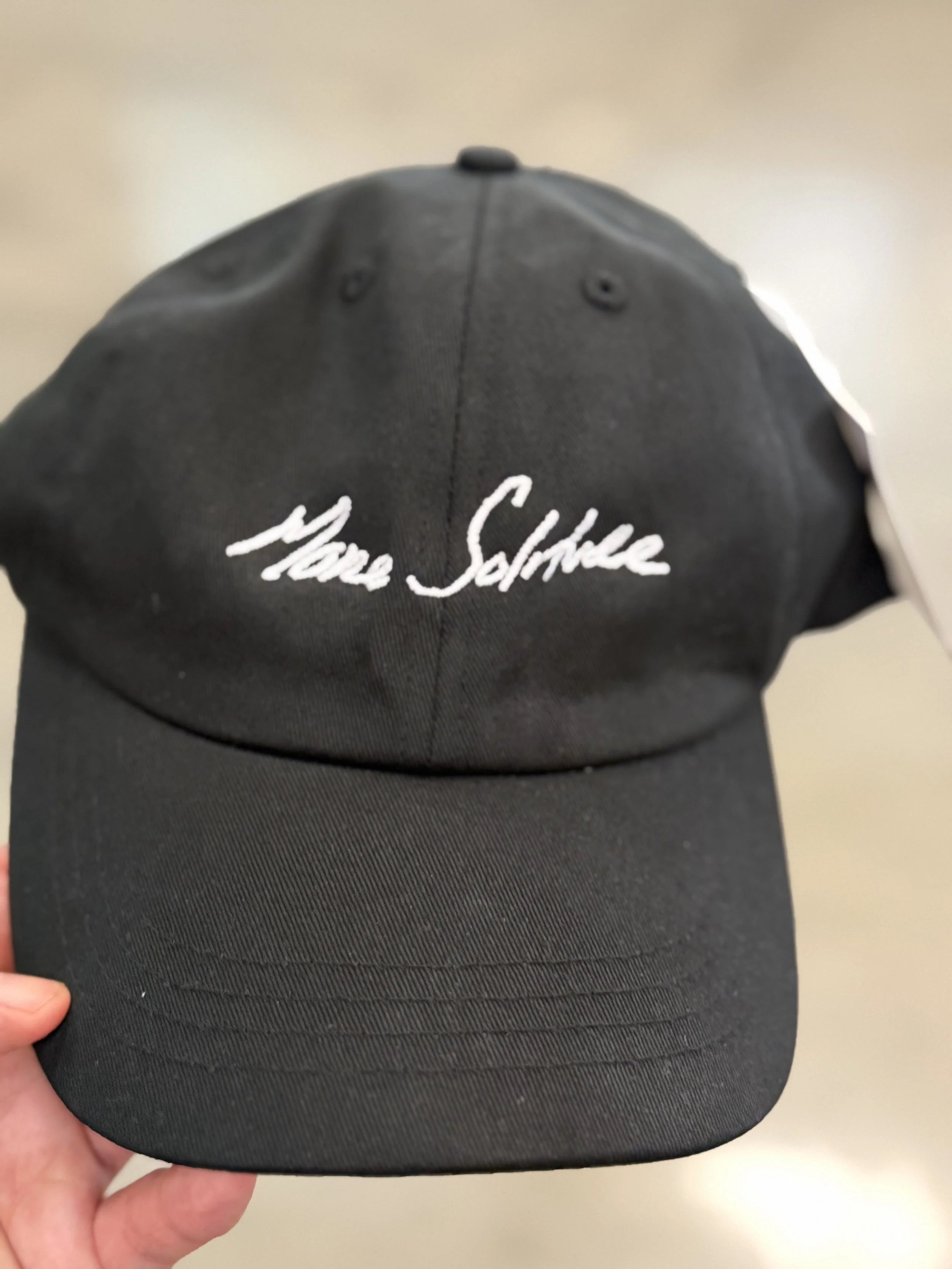
Tracey Emin “more solitude” hat purchased from the Tate Modern gift shop
It’s becoming a bit of a tradition that I escape on a wee solo trip around my birthday. It’s my way of sidestepping all the strange societal expectations that seem to accompany getting older and ways we’re expected to celebrate it. I could feel the familiar existential storm brewing and I knew I needed some solitude. A space to think, wander and be anonymous.
The main event was Tracey Emin: Second Life at Tate Modern. Without a doubt, it was the most emotional exhibition I’ve ever attended.
My first trip to London was just after I’d completed first year at art school. The entire trip cost £50, including transport and accommodation, which feels almost impossible now. Inflation alone doesn’t quite explain it. The bus left from outside the art college in Dundee and the journey felt endless.
At eighteen, I was painfully shy. I struggled to build friendships in class and felt very out of sync. When we arrived in London, most were interested in staying out late in clubs and sleeping through the day. Meanwhile, I was completely overwhelmed by the city itself. London felt enormous. For the first time, I was standing in front of artworks I had only ever seen reproduced in books.
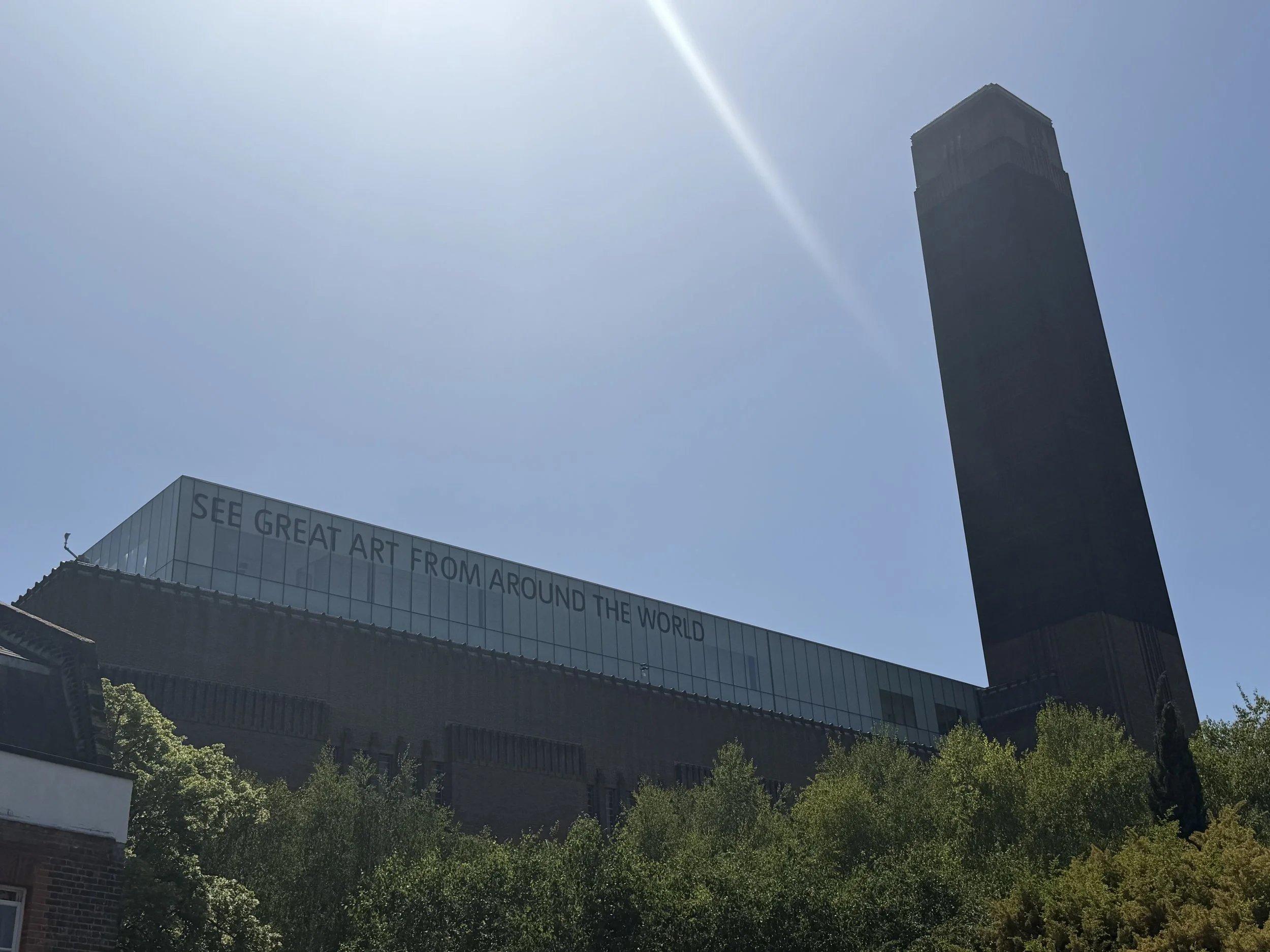
One of my first stops was Tate Modern. I remember standing in front of a Mark Rothko and feeling as though time had stopped.
Another was the Saatchi Gallery, where I first encountered Tracey Emin’s work up close. Most notably her iconic tent, Everyone I Have Ever Slept With 1963–1995. The piece was later destroyed in the Momart warehouse fire. The tent listed everyone Emin had ever slept with, not necessarily sexually, but those she had shared a bed with throughout her life.
At eighteen, I found it thrilling. Not because it was shocking but because it challenged everything I thought art was supposed to be. It felt intimate, confessional, funny, vulnerable, and deeply human. It opened a door in my mind about how ordinary materials, personal memories and lived experience could become art.
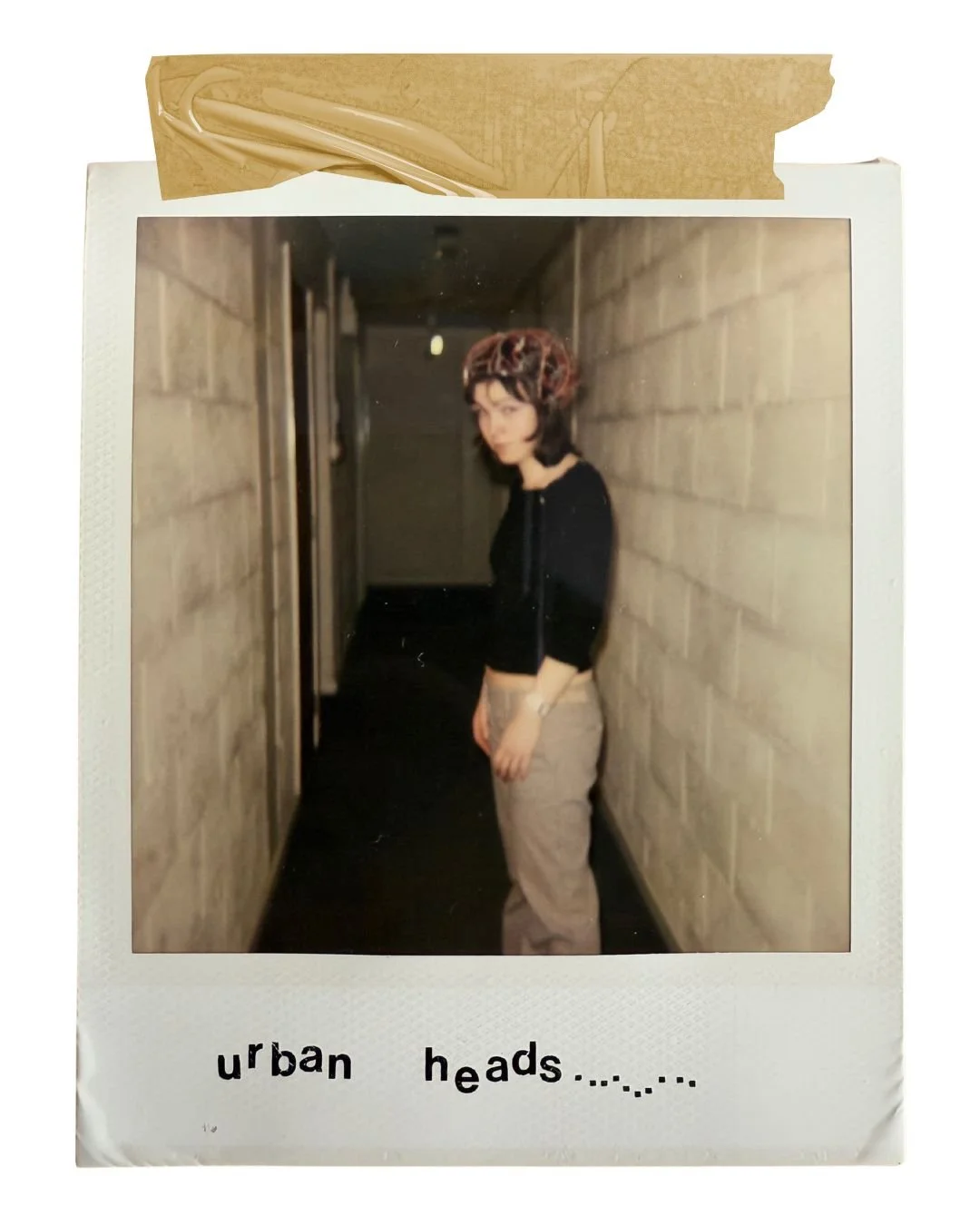
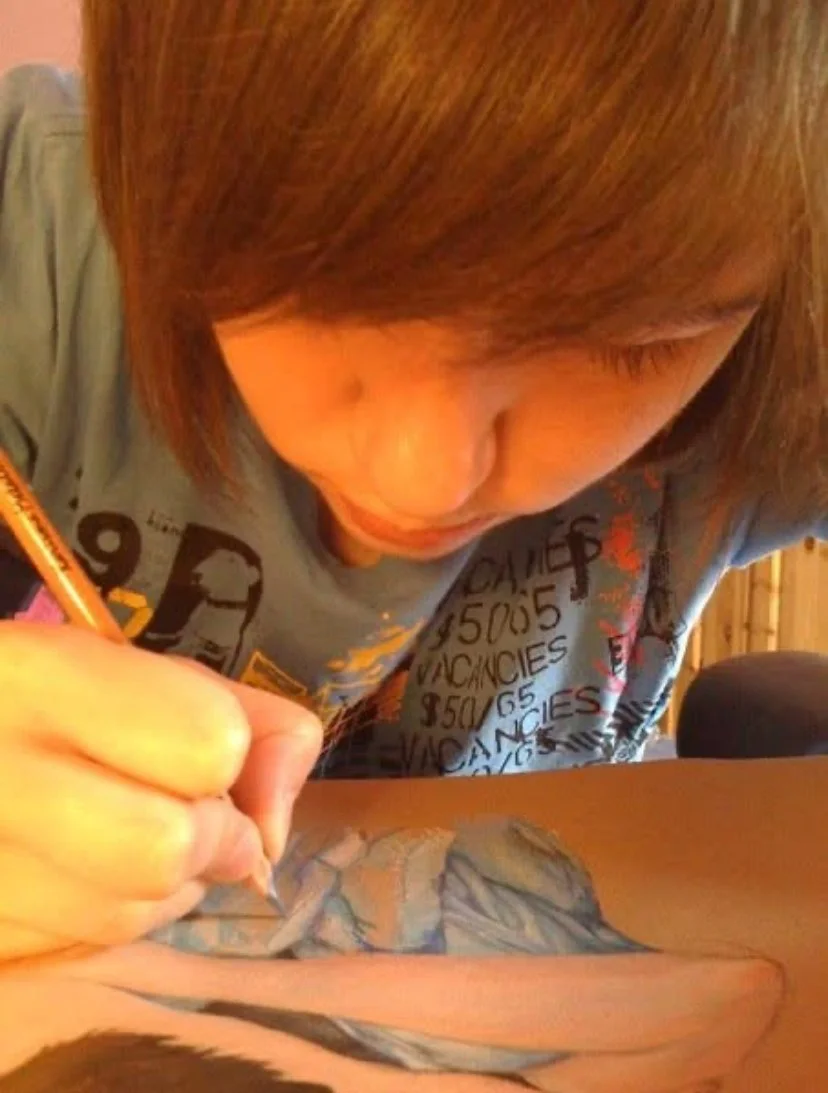
What I didn’t know then was that I wouldn’t return to art school after the summer. Everything caught up with me. My mental health unravelled and I stopped making art. Twenty years passed before I returned to it. During that time, I couldn’t access the part of myself that had once felt excited and able to create. If you can’t feel, you can’t paint.
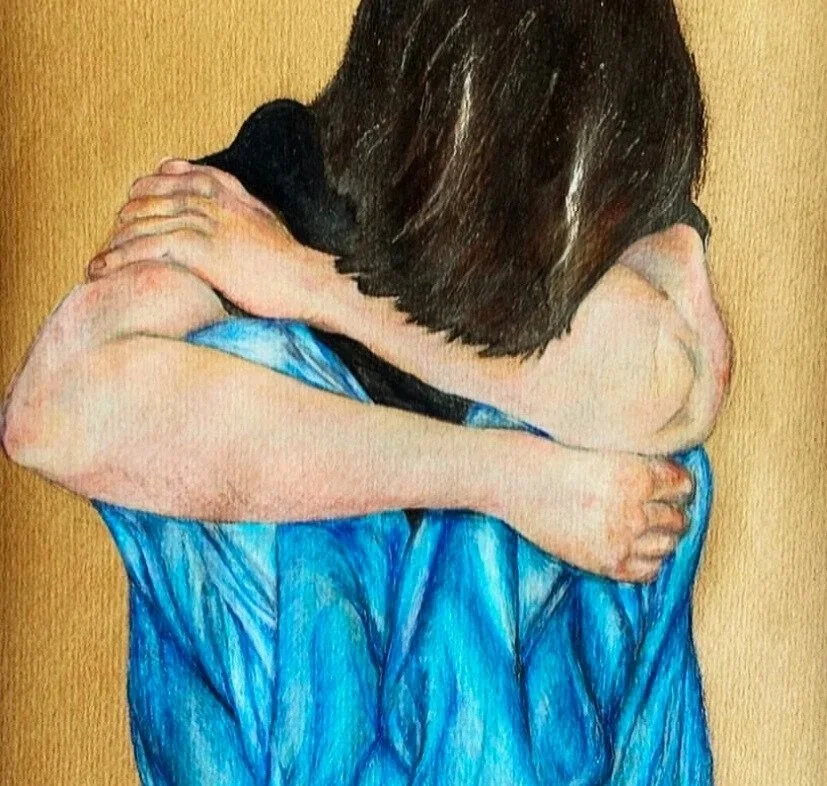
Looking back now, there is something bittersweet about that first encounter with Tracey Emin’s work. At the time, I understood, on some instinctive level, that art could come directly from life itself. That experience, memory and emotions could all be material. Then I went quiet for years.
Perhaps that’s why returning to her work now felt so emotional. It wasn’t just an exhibition. It was a reminder of a younger version of myself.
Second Life traces forty years of Emin’s practice. What struck me the most wasn’t the scale or the mediums (painting, sculpture, textiles, film, neon, writing), but the consistency of her voice. Nothing is hidden. Nothing is polished into something easier to digest.
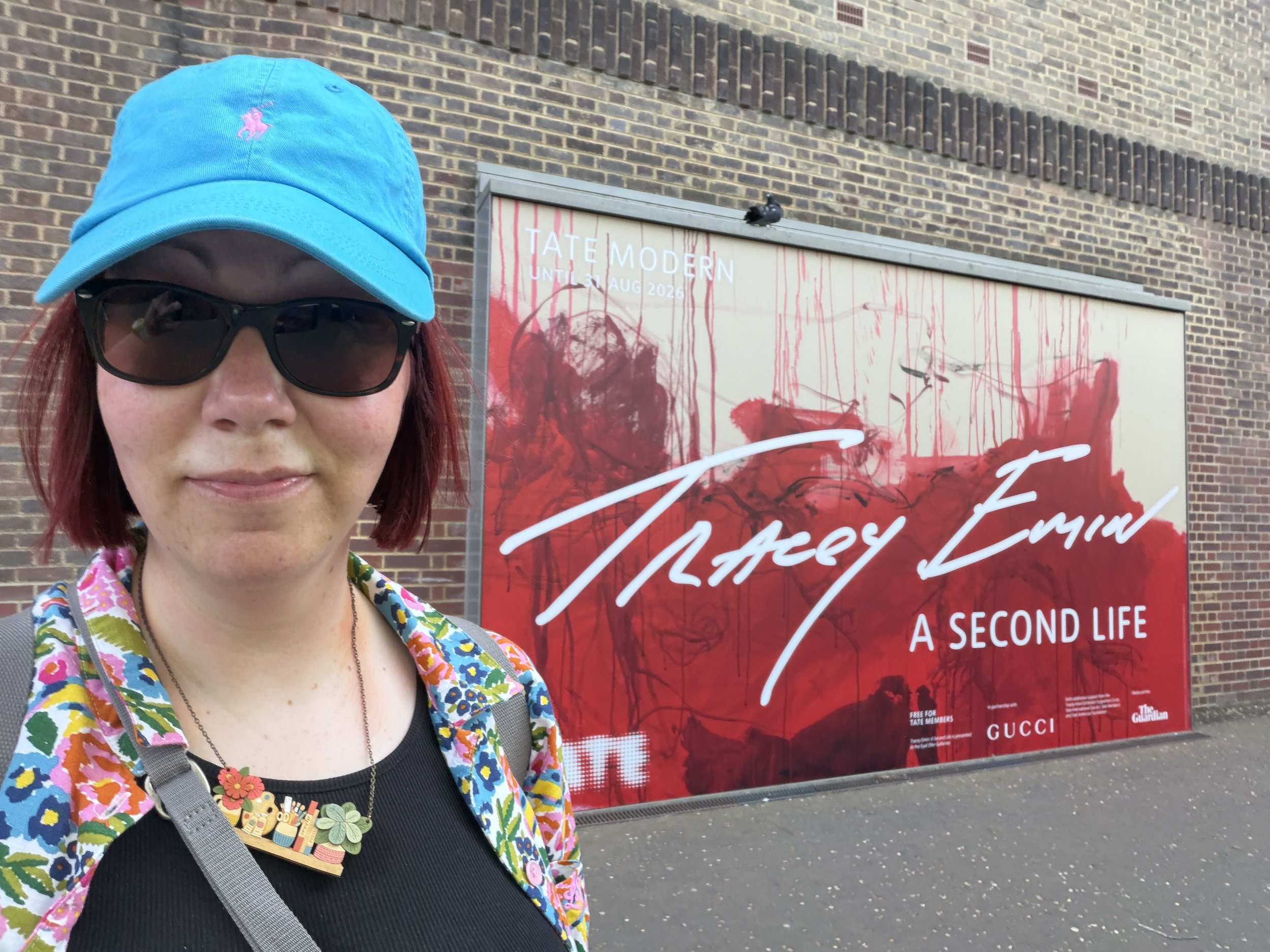
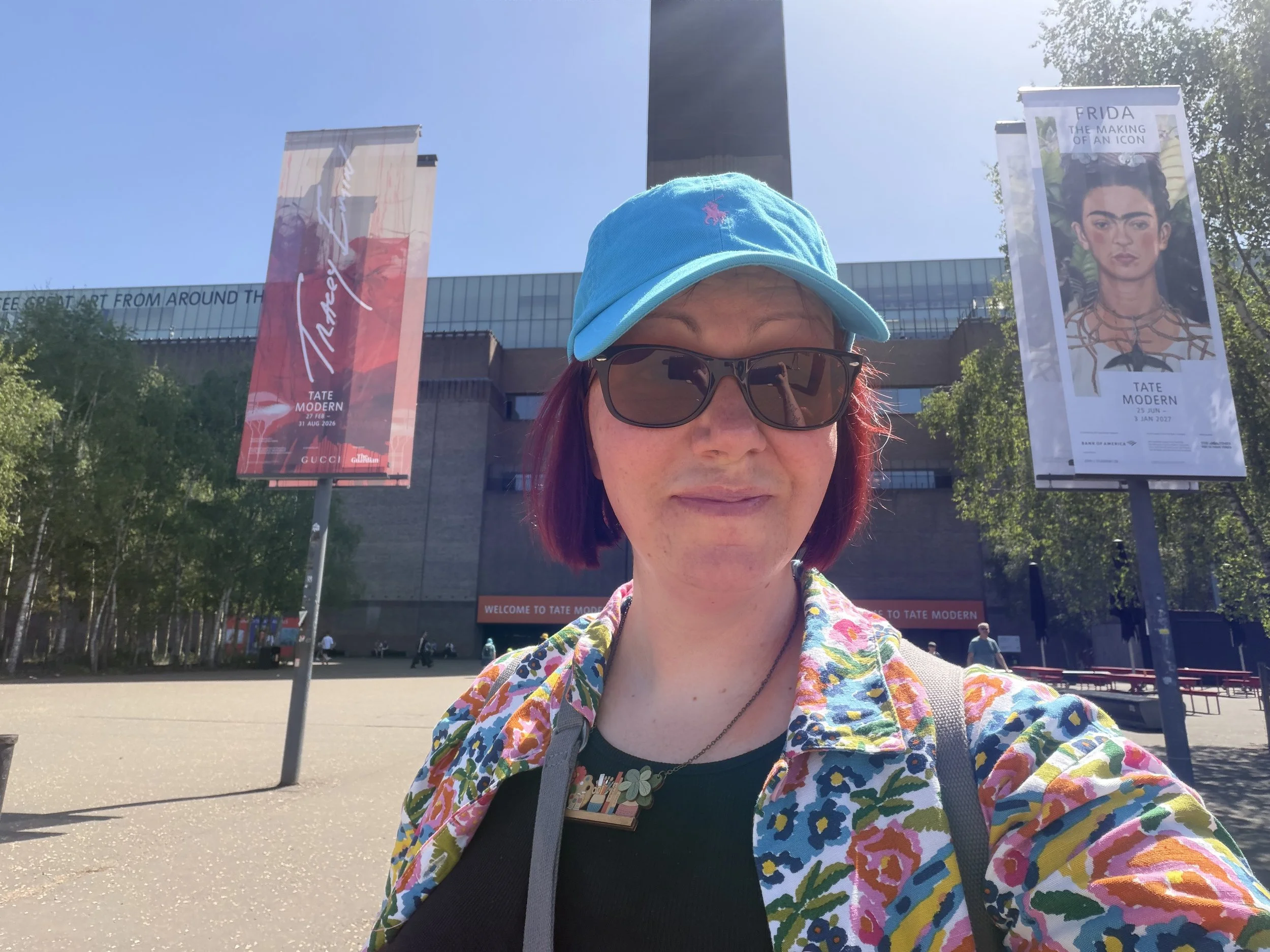
I spent about an hour outside the Tate Modern, psyching myself up to walk through the front doors. There wasn’t a cloud in the sky, a busker was singing and playing guitar nearby, and people lay on the grass soaking up the sun. Huge posters advertised Tracey’s exhibition alongside Frida Kahlo’s upcoming show, which opens next month. Seeing two women artists featured in major exhibitions at one of the world’s most influential art galleries felt especially significant.
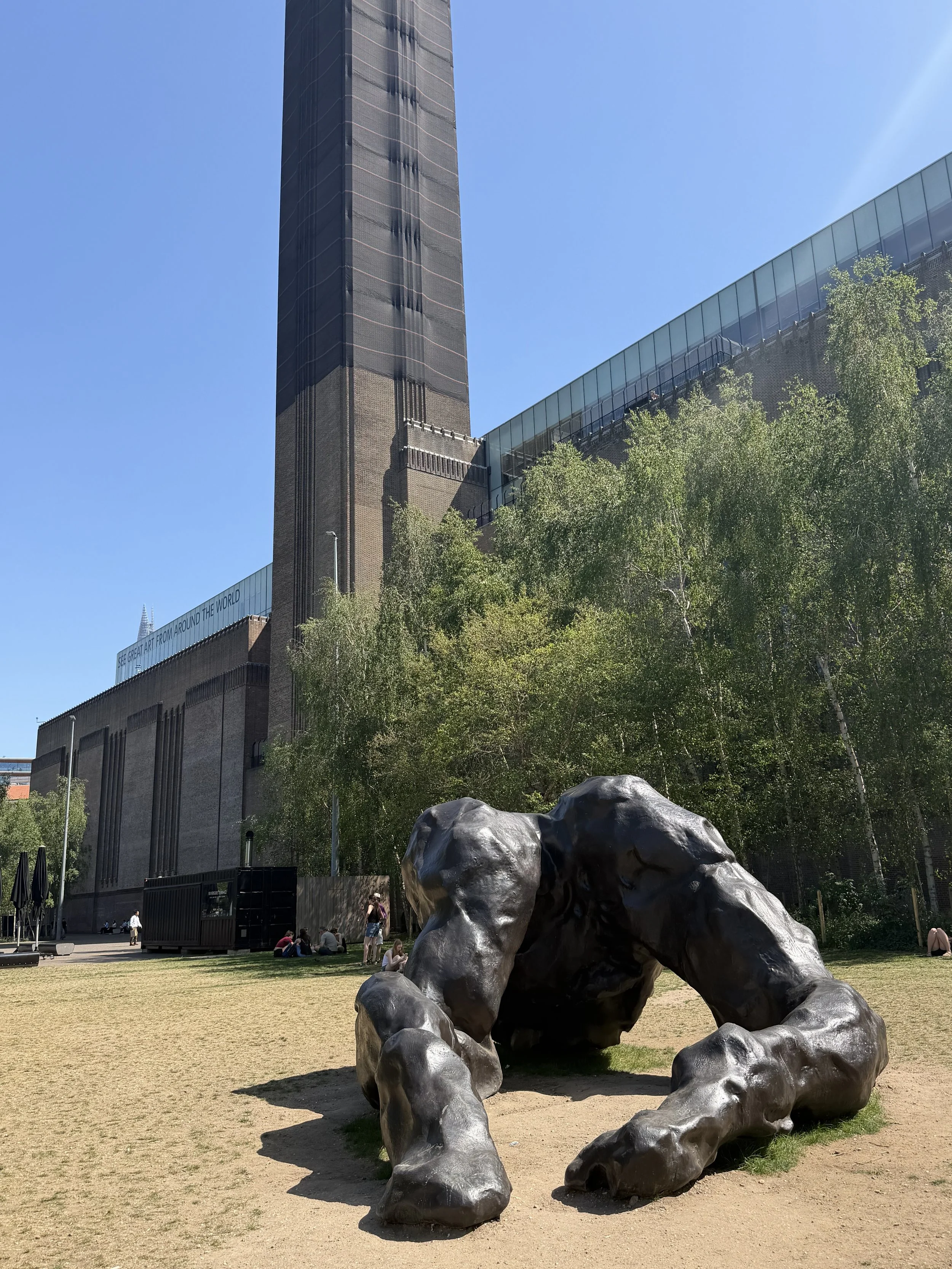
I Followed You To The End (2024) - Tracey Emin
When I entered the exhibition, I was immediately drawn to a voice from the second room.
It was Tracey.
Projected onto the wall was Why I Never Became a Dancer (1995). Before I had even properly seen it, I recognised her voice and felt a wave of emotion.
The piece of work speaks of humiliation and escape, of being reduced by others and refusing to stay in that position. Perhaps because so many women know some version of that experience. The feeling of being judged into silence, of carrying shame that never belonged to you.
Standing there, I thought about how easily those experiences can harden into something you carry for decades, and how rare it is to see them transformed into something that feels alive.
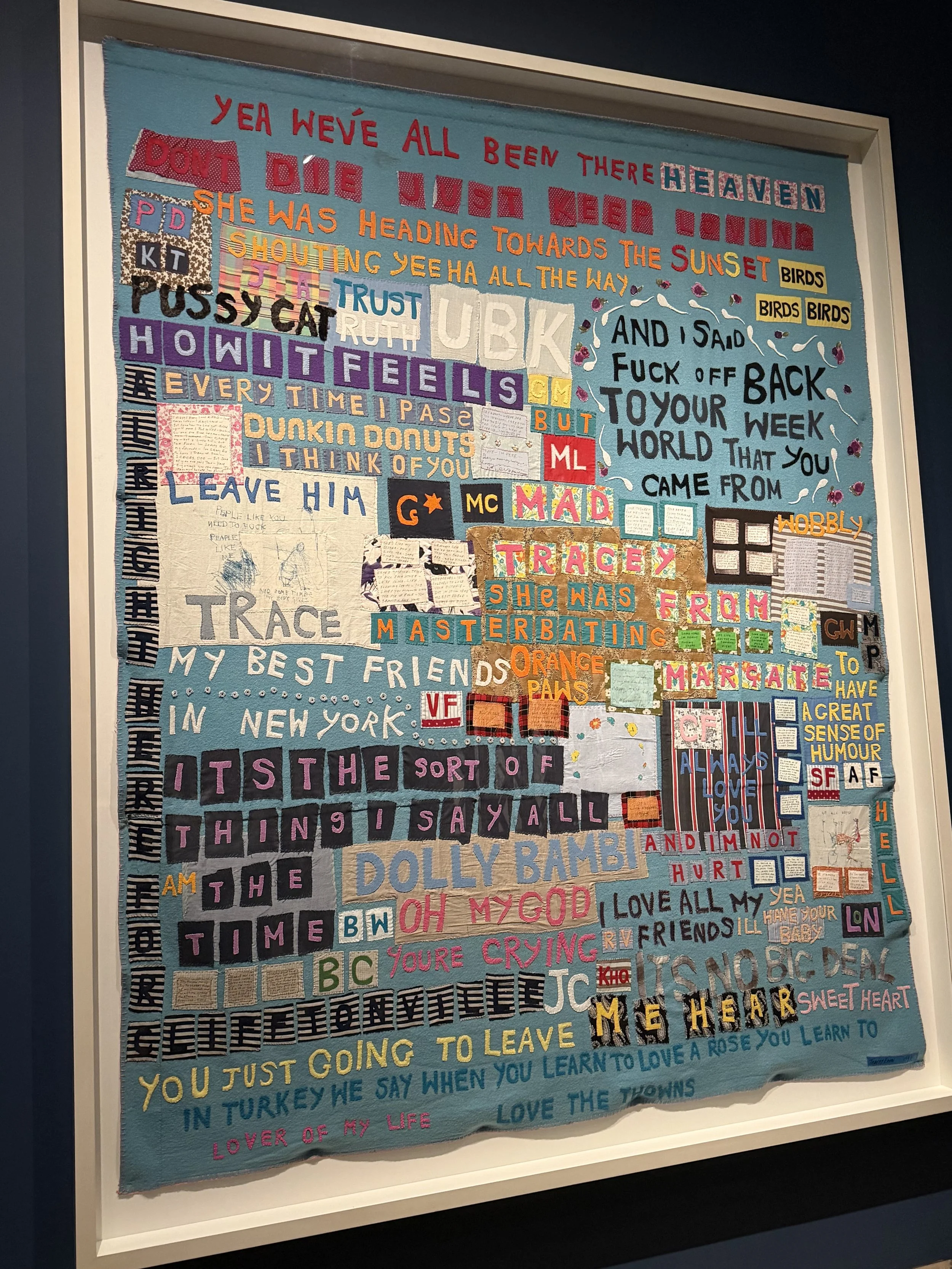
Mad Tracey from Margate. Everyone´s Been There (1997) - Tracey Emin
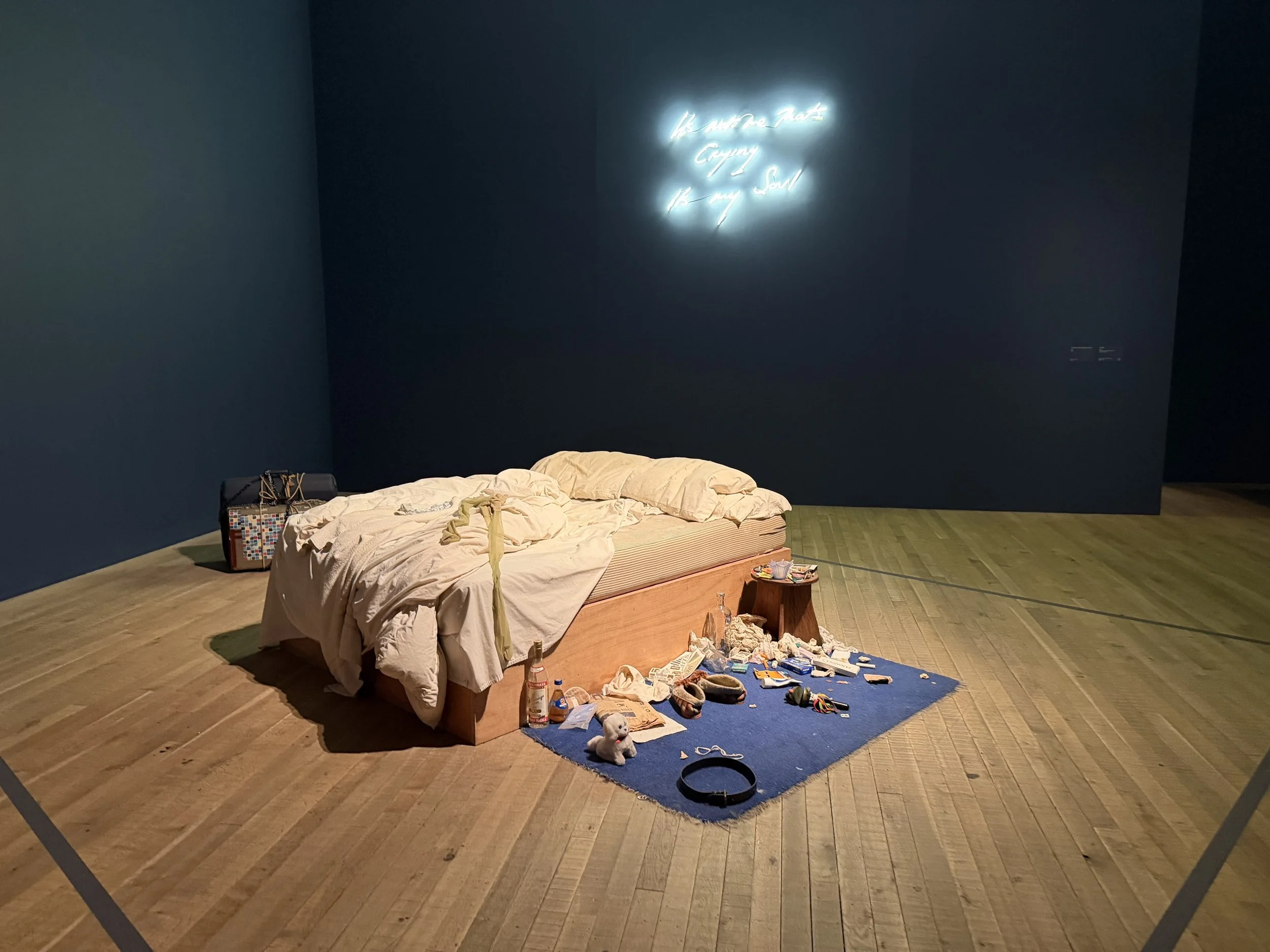
My Bed (1998) - Tracey Emin
That’s what Emin does. She doesn’t smooth anything out. She doesn’t tidy up the edges. She leaves everything exposed, messy, funny, raw, unfinished. Somehow, that honesty then becomes a kind of release.
As I moved through the exhibition, I found myself smiling a lot. The kind of smile that makes your cheeks ache. There is wit running through even her most difficult work, and an authenticity that feels increasingly rare. I deeply admire her as both a woman and an artist, though in Emin’s case those things feel inseparable. Her work is tender and furious, devastating and funny, sometimes all at once.
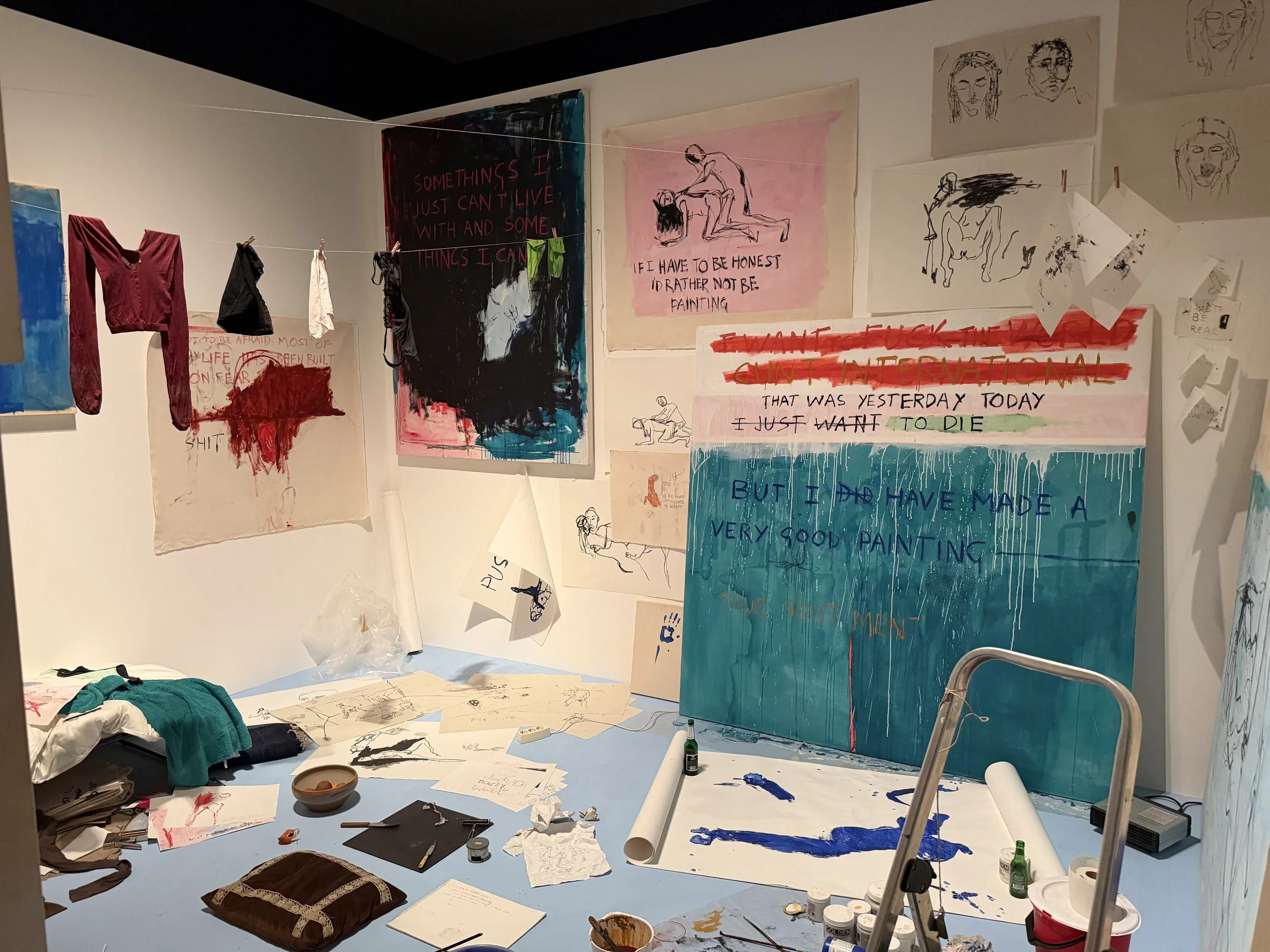
Exorcism of the Last Painting I Ever Made (1996) - Tracey Emin
What struck me most wasn’t just the work itself, but the feeling of being trusted with it. Walking through the exhibition felt like being allowed into someone’s inner world without apology or filter.
Leaving Tate Modern and stepping back into the unbearable London heat, I found myself thinking about the eighteen year old art student who had first arrived in the city. Back then, Tracey Emin showed me that art did not have to be distant or overly intellectualised. It could be personal, awkward, funny, sad and complicated all at once.
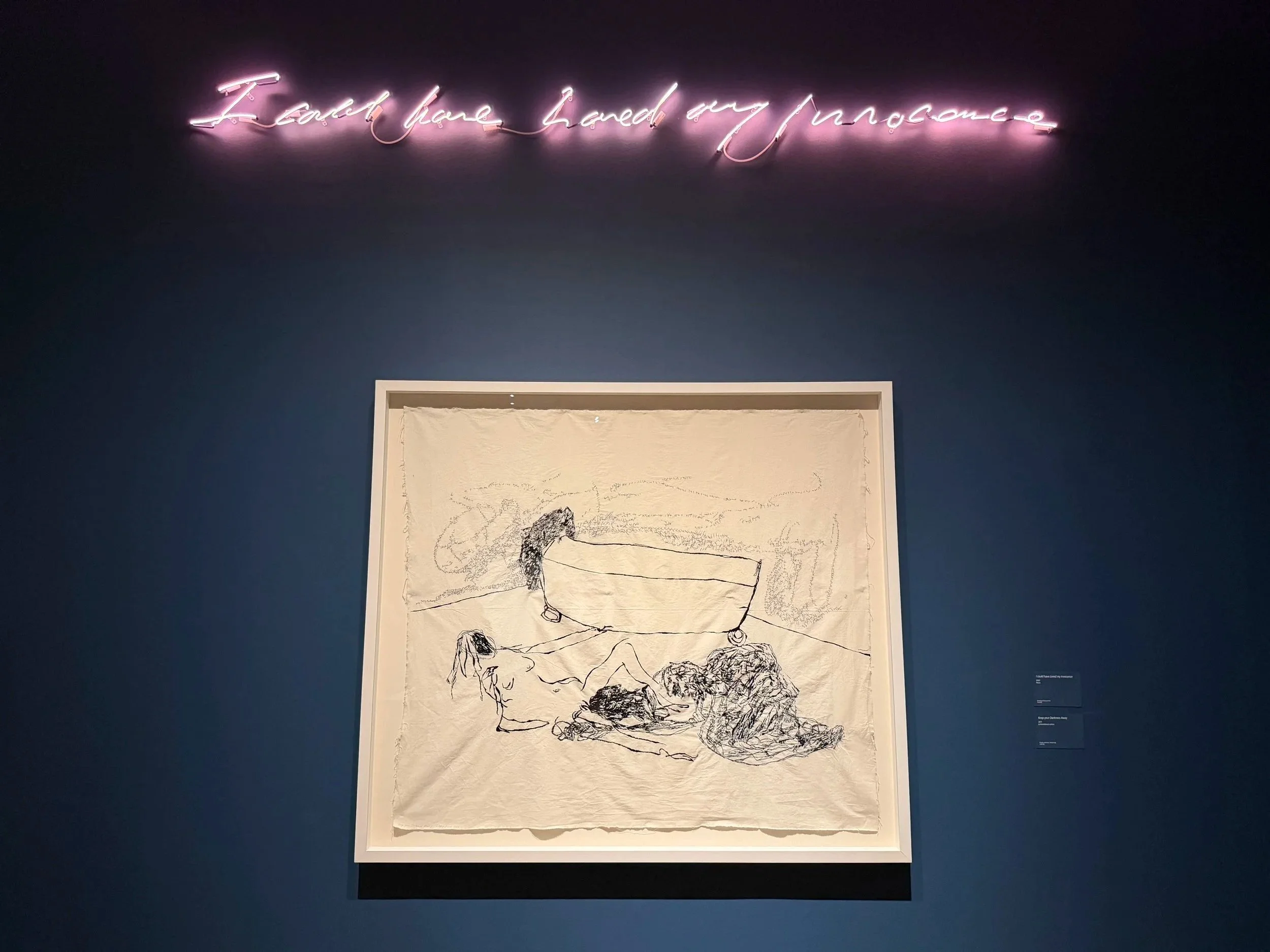
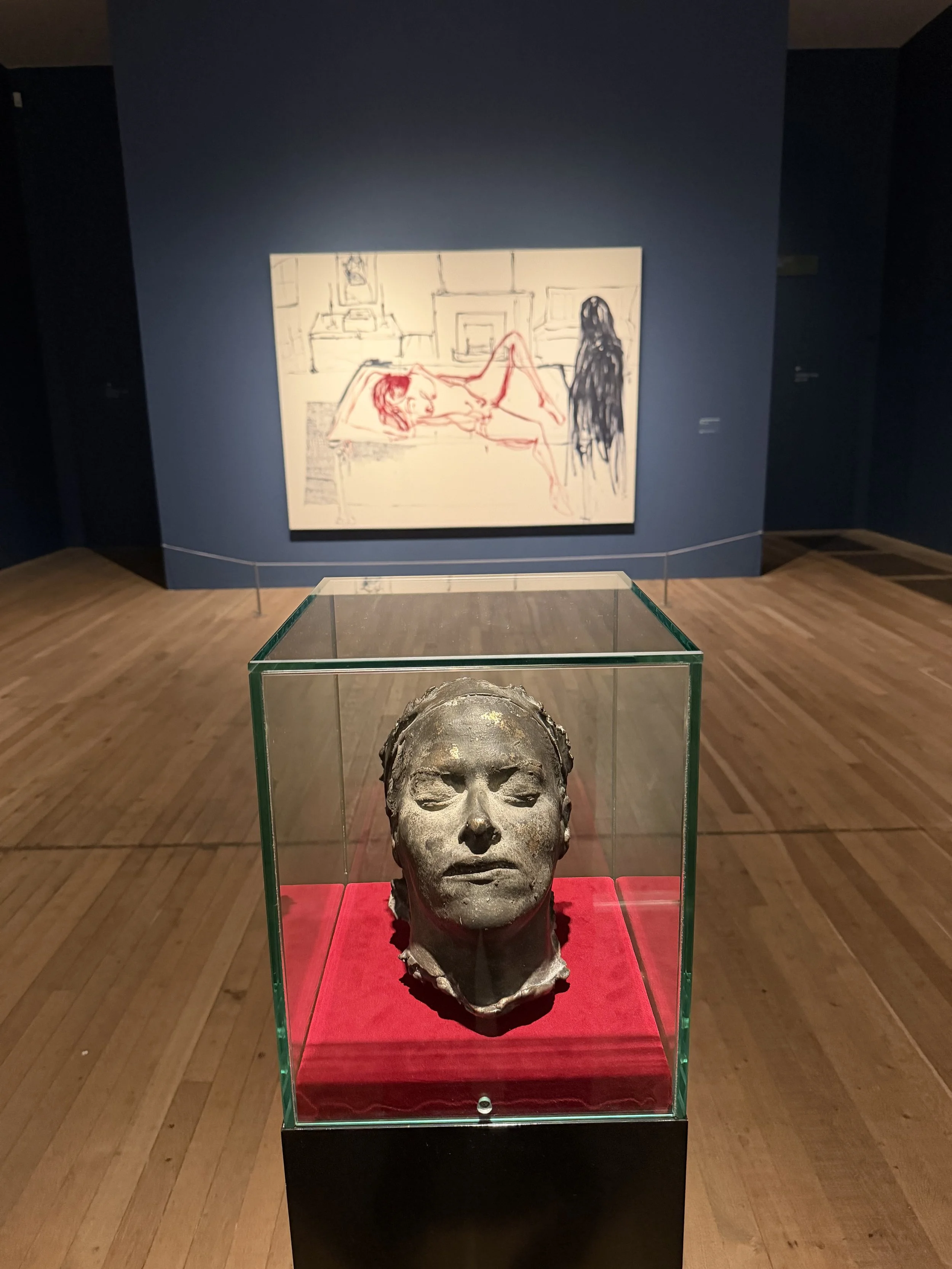
Visiting Second Life felt special not only because of the exhibition itself, but because it reminded me why I started making art in the first place. It reconnected me with a younger, more open version of myself. Someone who believed deeply in art’s power to transform and connect.
Perhaps that is the greatest gift an artist can offer: the desire to return to your work and to the experiences that shaped you.
As birthday presents go, it’s difficult to beat.
Once again, I find myself grateful to Dame Tracey Emin. She has given me more than she could ever know.
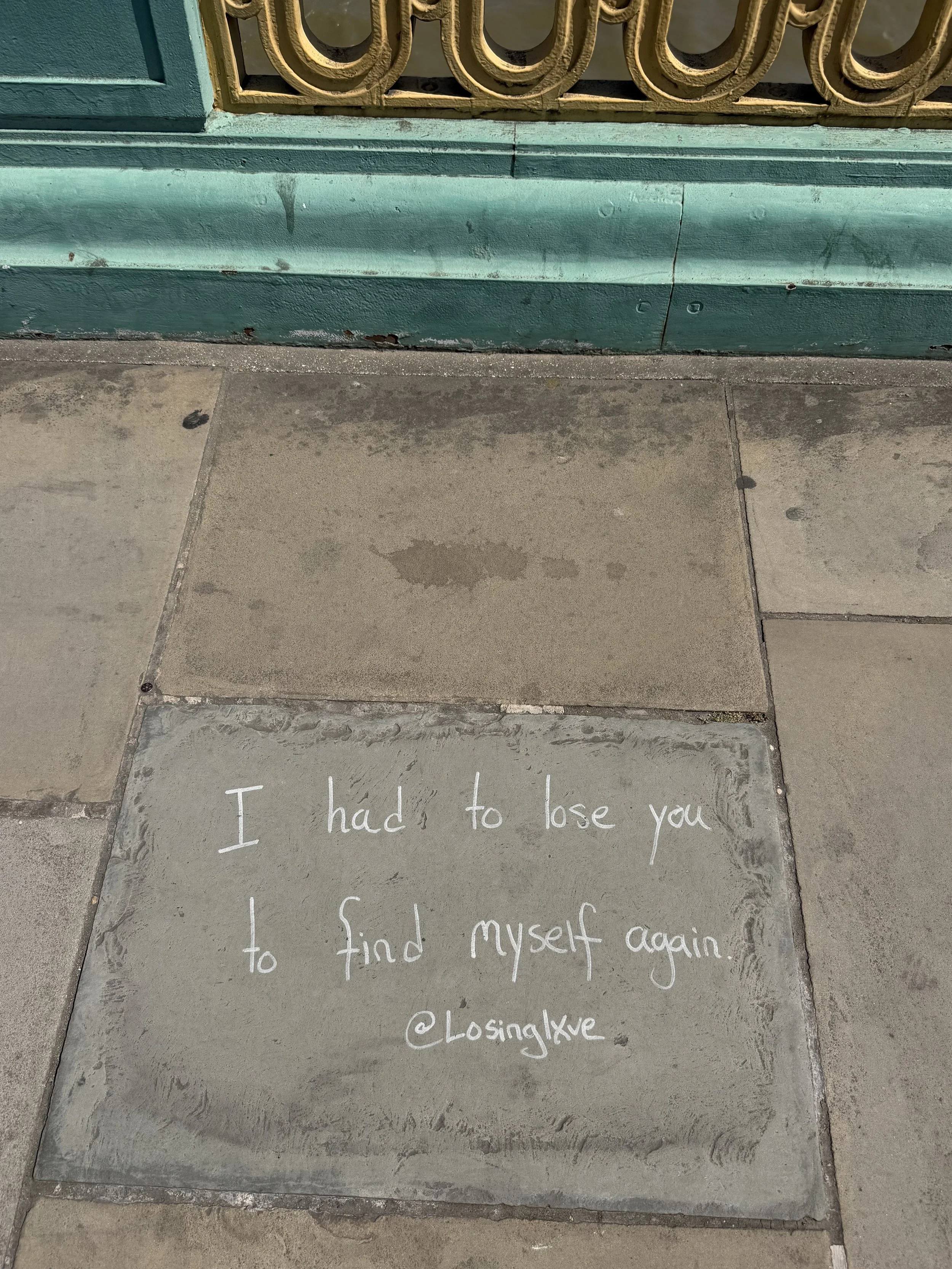
If you would like to experience the tender, confessional world of Tracey Emin, A Second Life exhibition is on view at Tate Modern until 31st August 2026.
You can find out more on the official website here: Tracey Emin | Tate Modern
