
Everything is Art. Everything is Politics –Ai Weiwei at Factory International (Part 2)
Part 2: Sewing a Button
Alongside the Button Up! exhibition, I witnessed Ai Weiwei's 24-hour live performance, Sewing a Button, which saw him recreate the conditions of his secret detention by the Chinese authorities in 2011.
I didn't stay for the full 24 hours (though I was genuinely tempted), but I spent several hours completely absorbed in the performance.
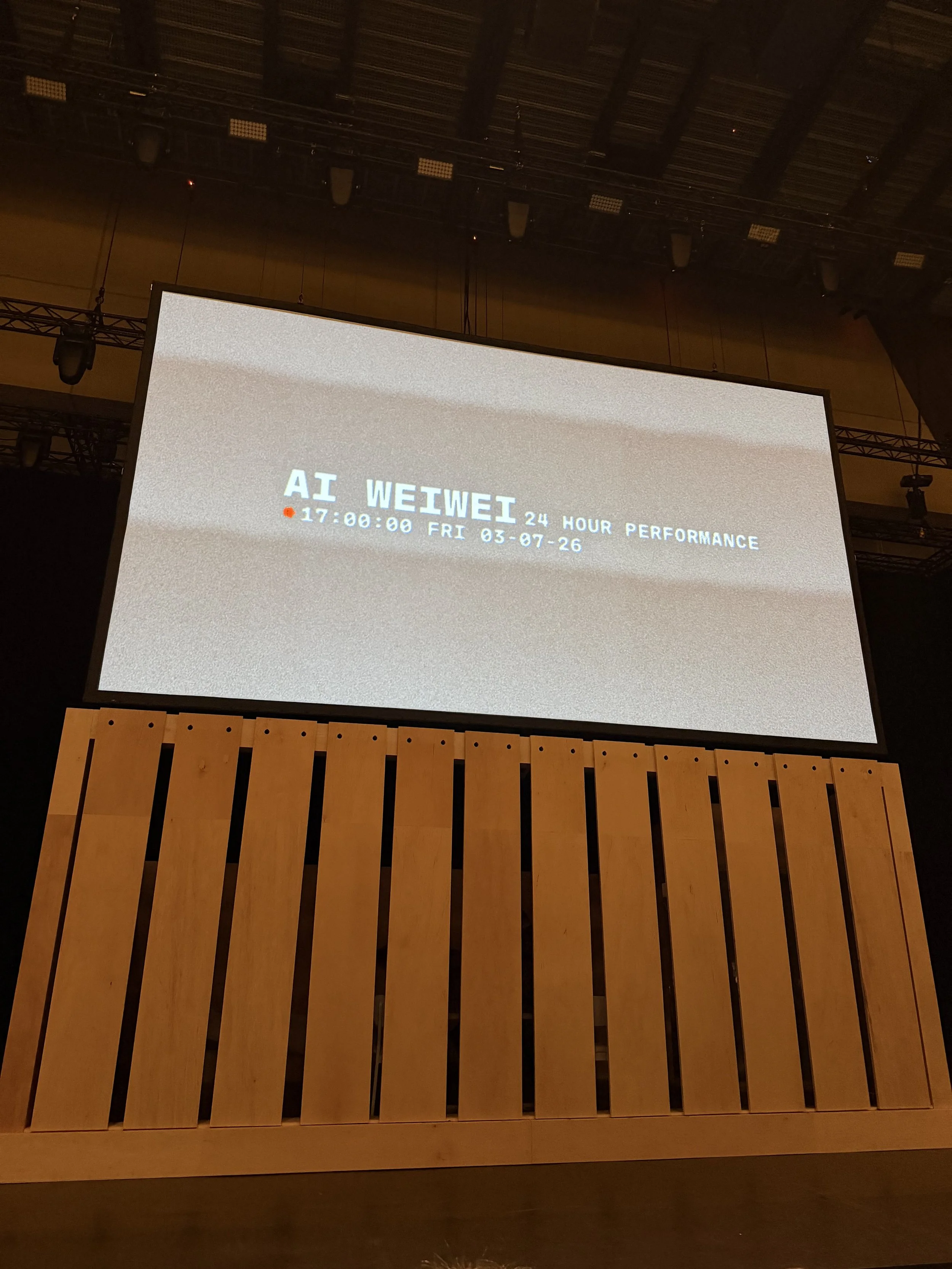
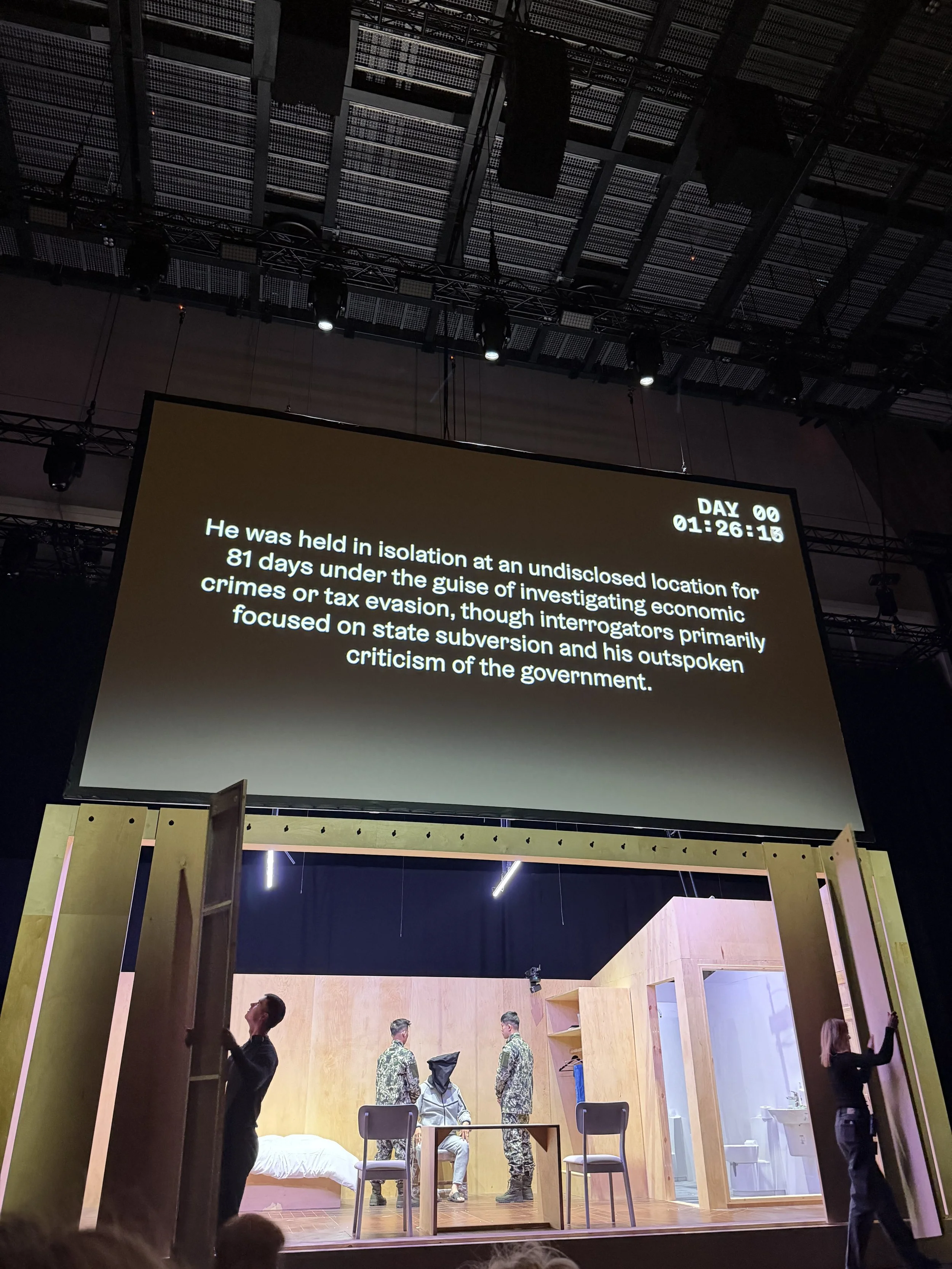
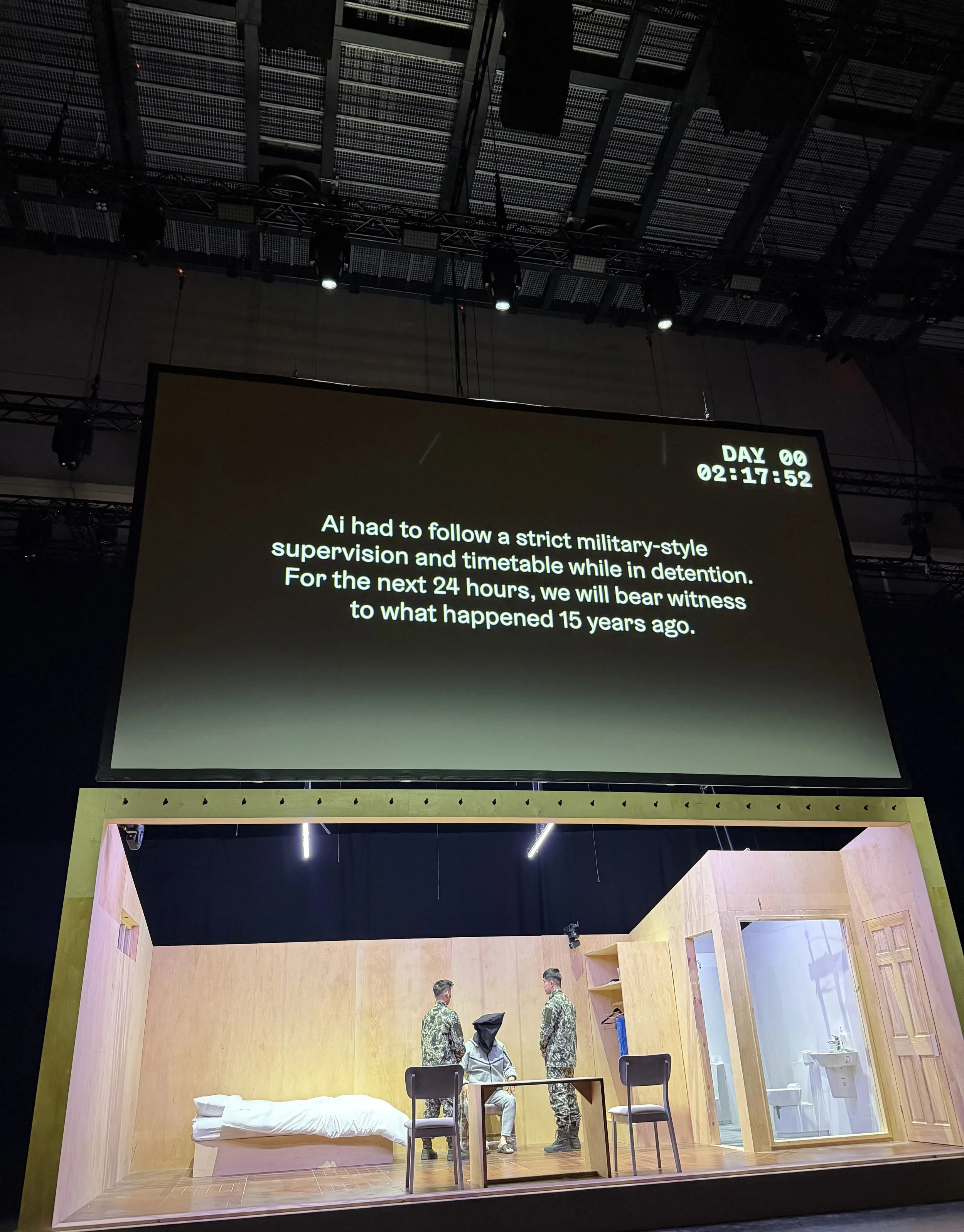
For 81 days, Ai Weiwei was held in an undisclosed location under constant surveillance. Officially detained on allegations of tax evasion, he has long maintained that his imprisonment was a response to his outspoken criticism of the Chinese government.
Every aspect of his day was controlled, every movement monitored, and every moment accounted for.
Ai Weiwei has since described the experience as bringing him close to death.
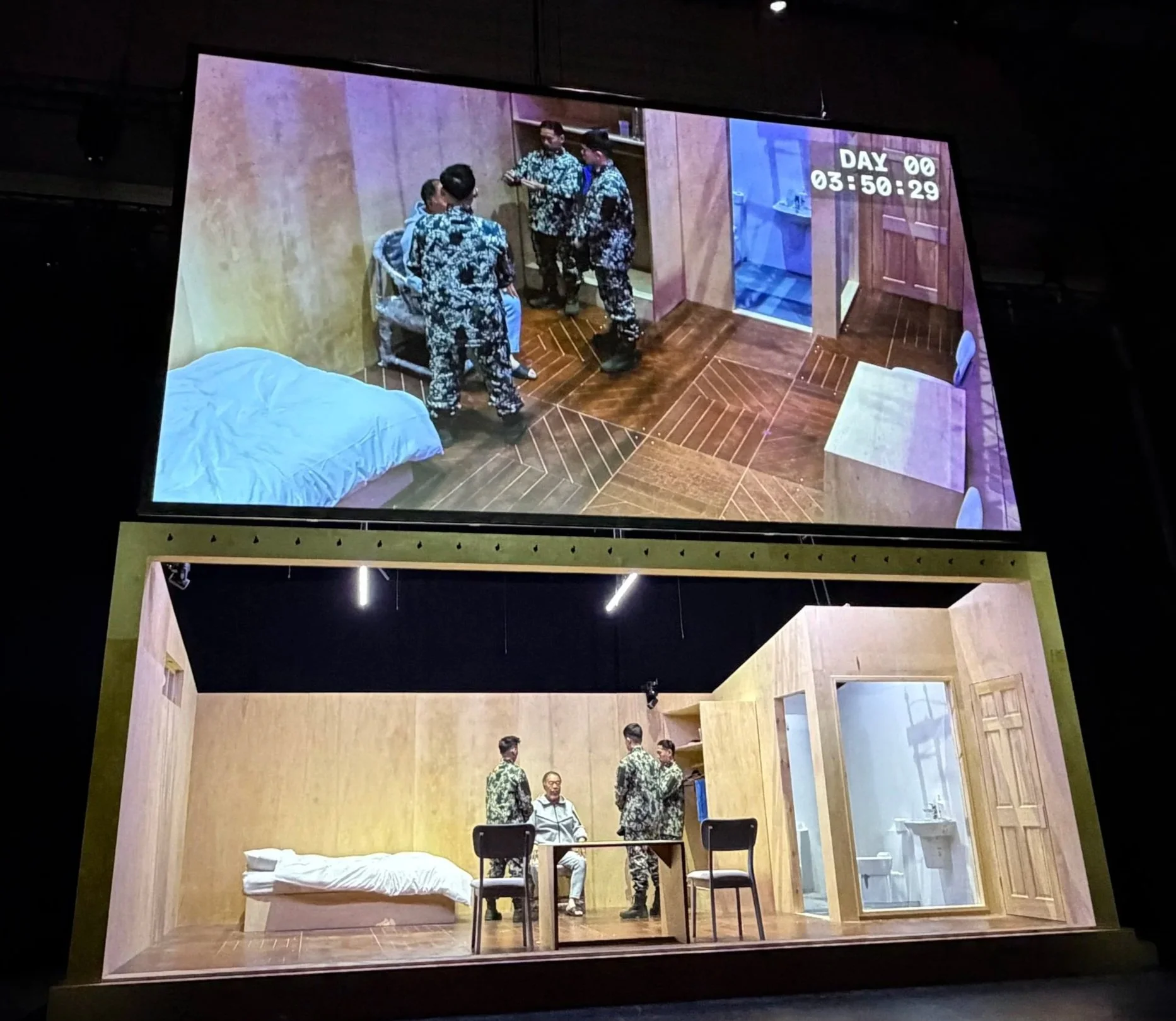
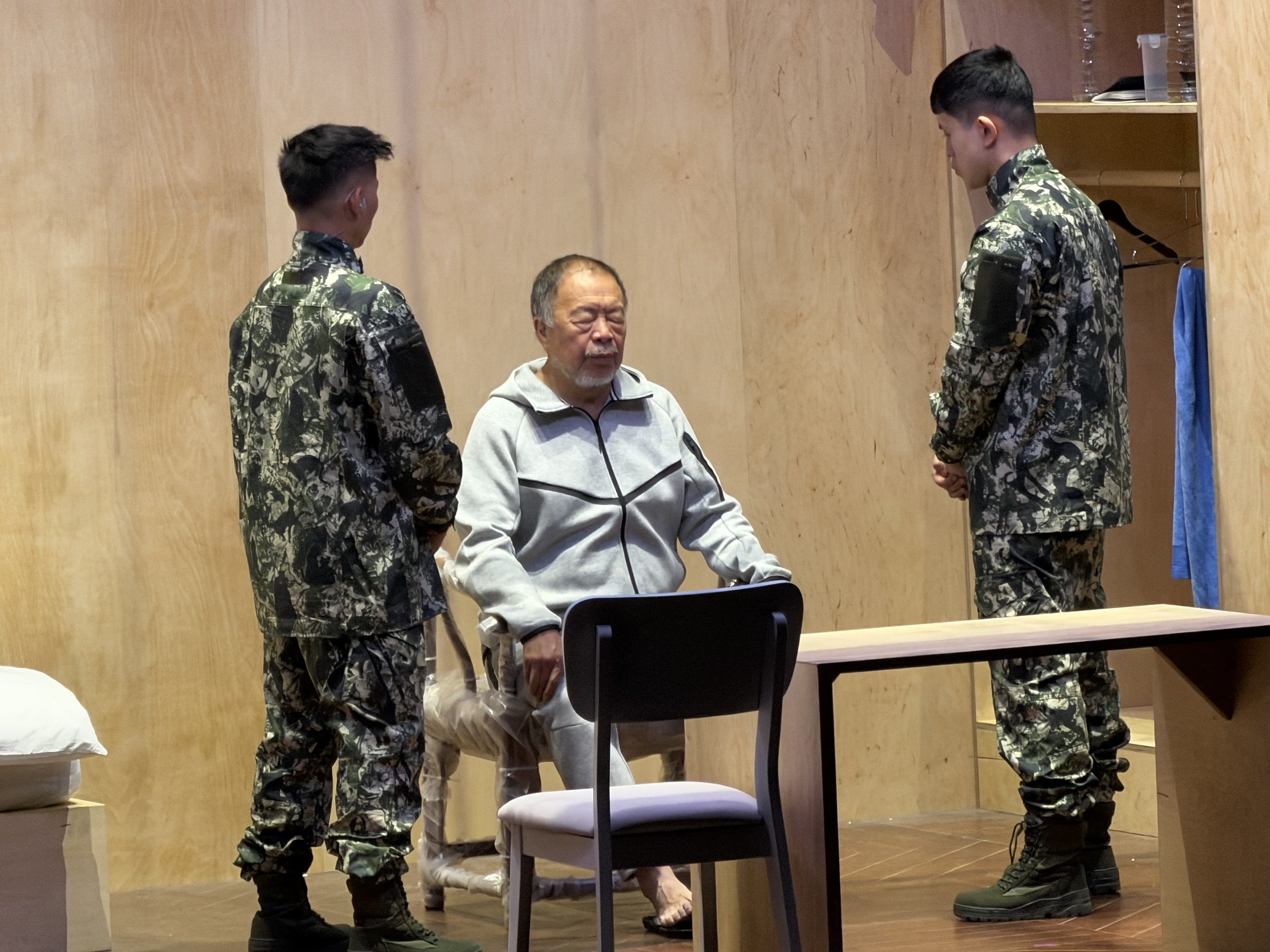
At the centre of Andrew Law Hall stood a near life-size replica of Ai Weiwei's cell: a sparse, almost windowless room containing little more than a bed, a table, a toilet and a single wooden chair.
For 24 hours, Ai Weiwei lived within this space. He ate, slept, washed, exercised, and sat in silence, with two guards constantly by his side. Wherever he went, they followed. Even the most private moments were observed, including going to the toilet.
For the first few hours, I barely moved, reluctant to break the silence.
There was something strangely hypnotic about the repetition: the steady sound of Ai Weiwei's footsteps as he paced the cell, the stillness, the guards quietly checking their watches, and the long periods where he sat motionless with his hands resting on his thighs.
Nothing dramatic happened, yet I found it impossible to look away. It offered a glimpse into the psychological weight of constant surveillance and relentless routine.
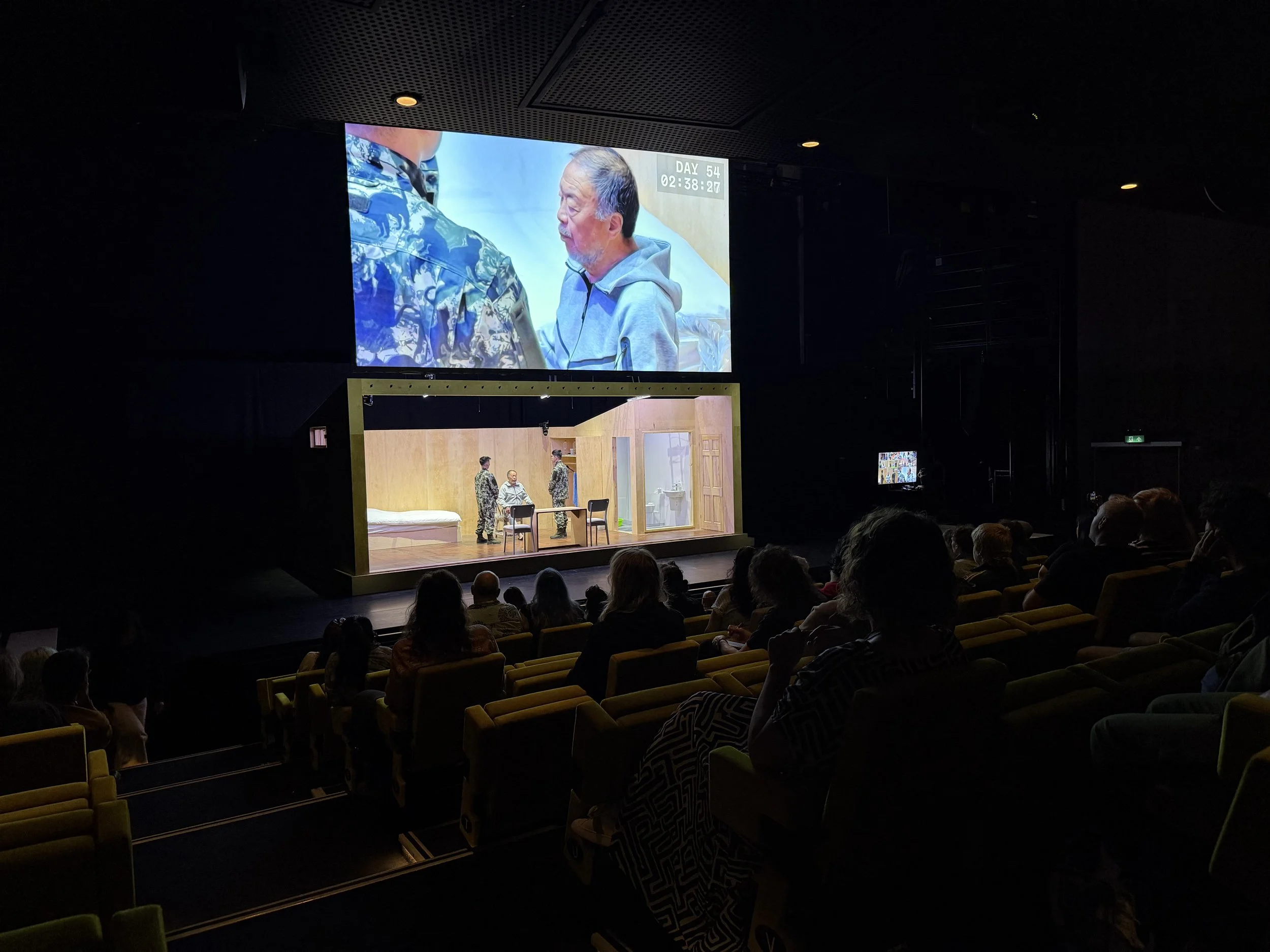
Rather than state officials, Ai Weiwei was “interrogated” by journalists and broadcasters Nihal Arthanayake, Emma Dabiri, Lemn Sissay and Zing Tsjeng. Their conversations moved between the personal, philosophical and political.
These exchanges brought moments of humanity, humour and reflection into the recreated prison cell, providing a striking contrast to its cold, repetitive routines.
Around them, actors portraying guards and doctors completed the immersive performance, while an atmospheric soundtrack by Space Afrika quietly heightened the tension.
Interrogation by British broadcaster Nihal Arthanayake, posing the question “does art make you more sick"?”
The title Sewing a Button comes from a story Ai Weiwei shared about his time in detention. Having lost a significant amount of weight, the button on his trousers came loose, causing them to slip down as he walked laps around his tiny cell, the only exercise he was allowed. The sight prompted laughter from the otherwise expressionless guards watching his every move.
Even during one of the darkest periods of his life, Ai Weiwei found moments of humour, dignity and quiet resistance.
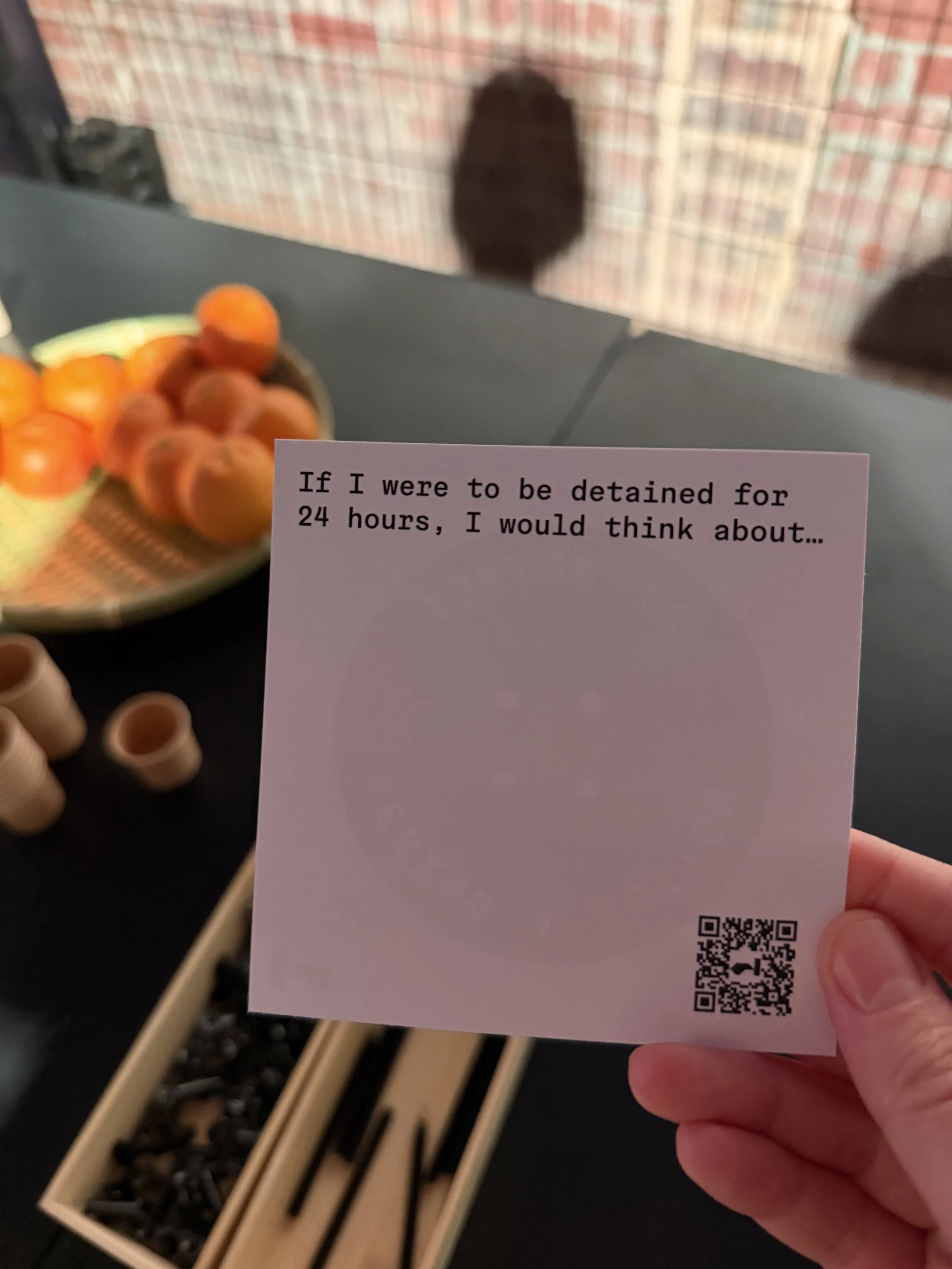
That sense of disconnection can be physical, but it can also be something internal, an invisible experience that others may not see.
Realising that the performance represented only 24 hours of an ordeal that lasted 81 days made the reality of Ai Weiwei’s detention even more difficult to comprehend. The thought of enduring constant surveillance, isolation, and uncertainty, without knowing when, or even if, it would end felt deeply unsettling.
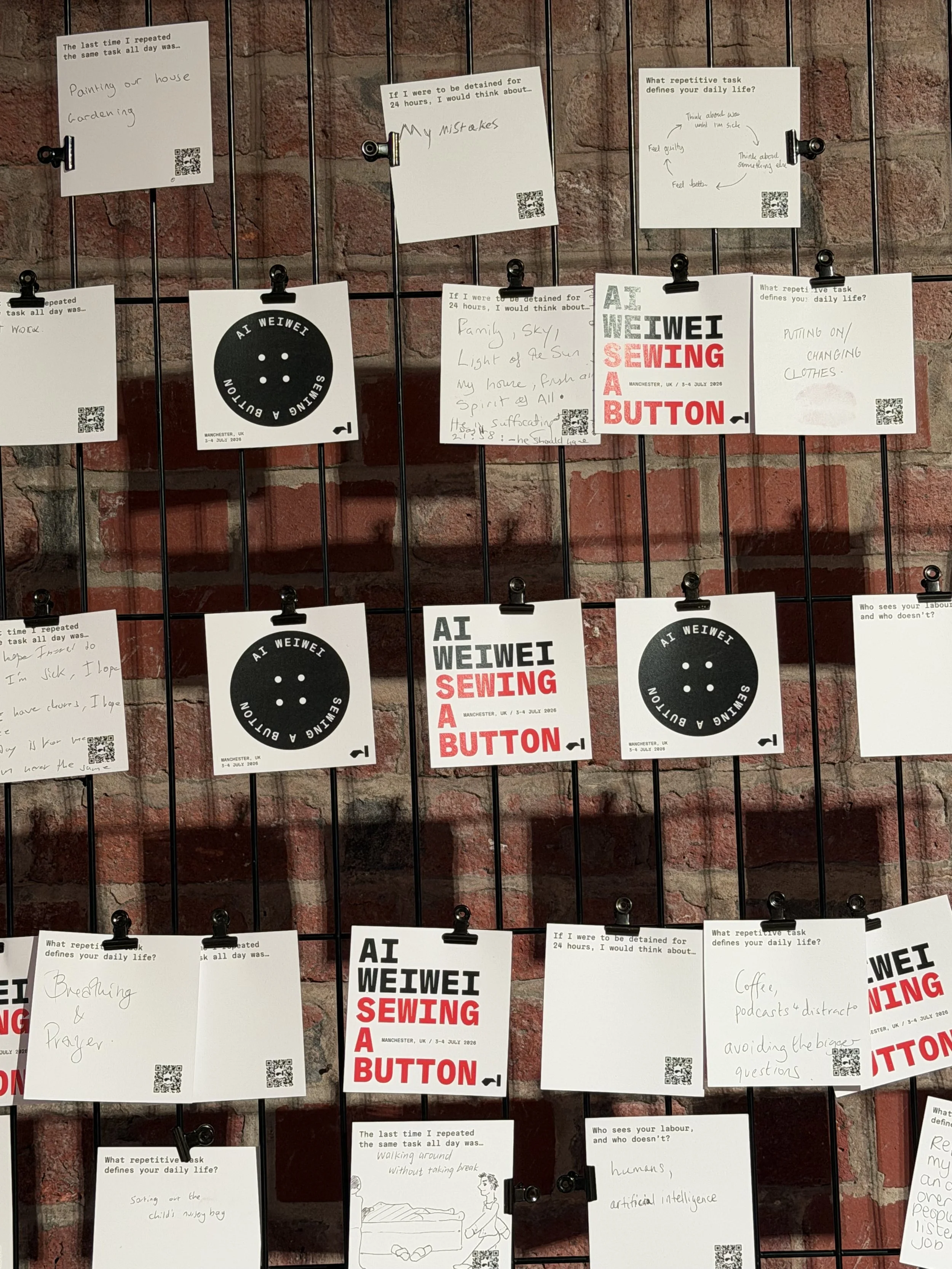
I do not mean to sound insensitive or suggest that my own life experiences can be compared to what Ai Weiwei endured. His circumstances and suffering are on an entirely different scale. However, I think many people can recognise, in a small and limited way, the feeling of being disconnected from the world around them.
That small point of connection helped me reflect on the immense psychological weight of Ai Weiwei’s detention and the resilience it must have required to endure it.
Returning to my comfortable hotel room that evening, I found myself checking the online livestream again, wanting to see how Ai Weiwei was doing. It was a simple human instinct, a feeling of concern for another person.
Although he never outwardly showed fear during the re-enactment, the emotional weight of what he was revisiting was impossible to ignore.
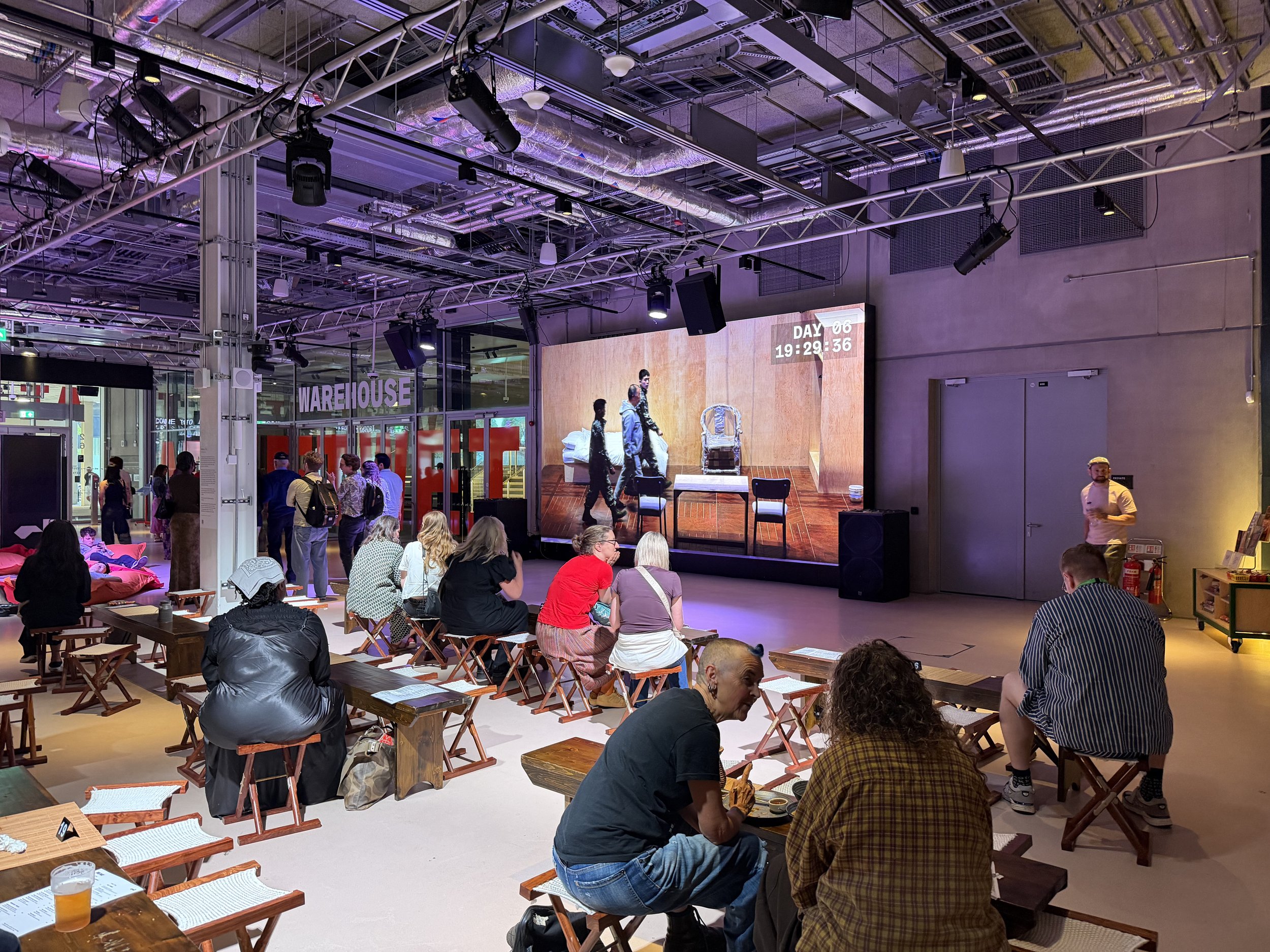
Over the weekend, Aviva Studios also hosted a programme of free events celebrating Chinese culture, including a traditional tea house, tai chi sessions and a guzheng performance (an ancient Chinese instrument).
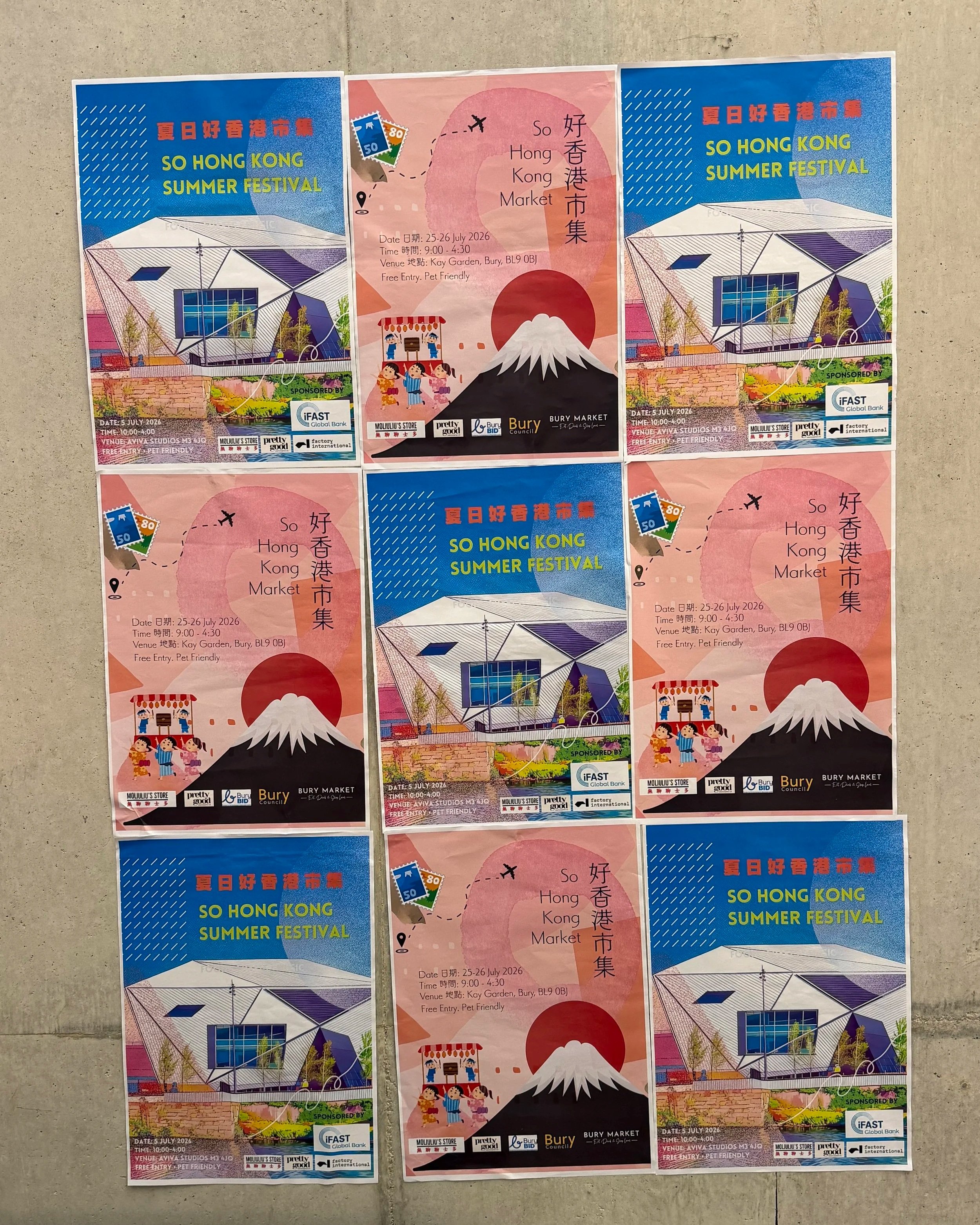
On my final day, the Hong Kong Summer Festival brought live music, food and market stalls to the outdoor areas. I found myself unexpectedly emotional watching Chinese families arrive for the celebrations, many of them walking through the neighbouring streets towards the festival.
After the intensity of Sewing a Button, the contrast was striking. Seeing people come together to celebrate Chinese culture felt like a meaningful way to end the weekend.
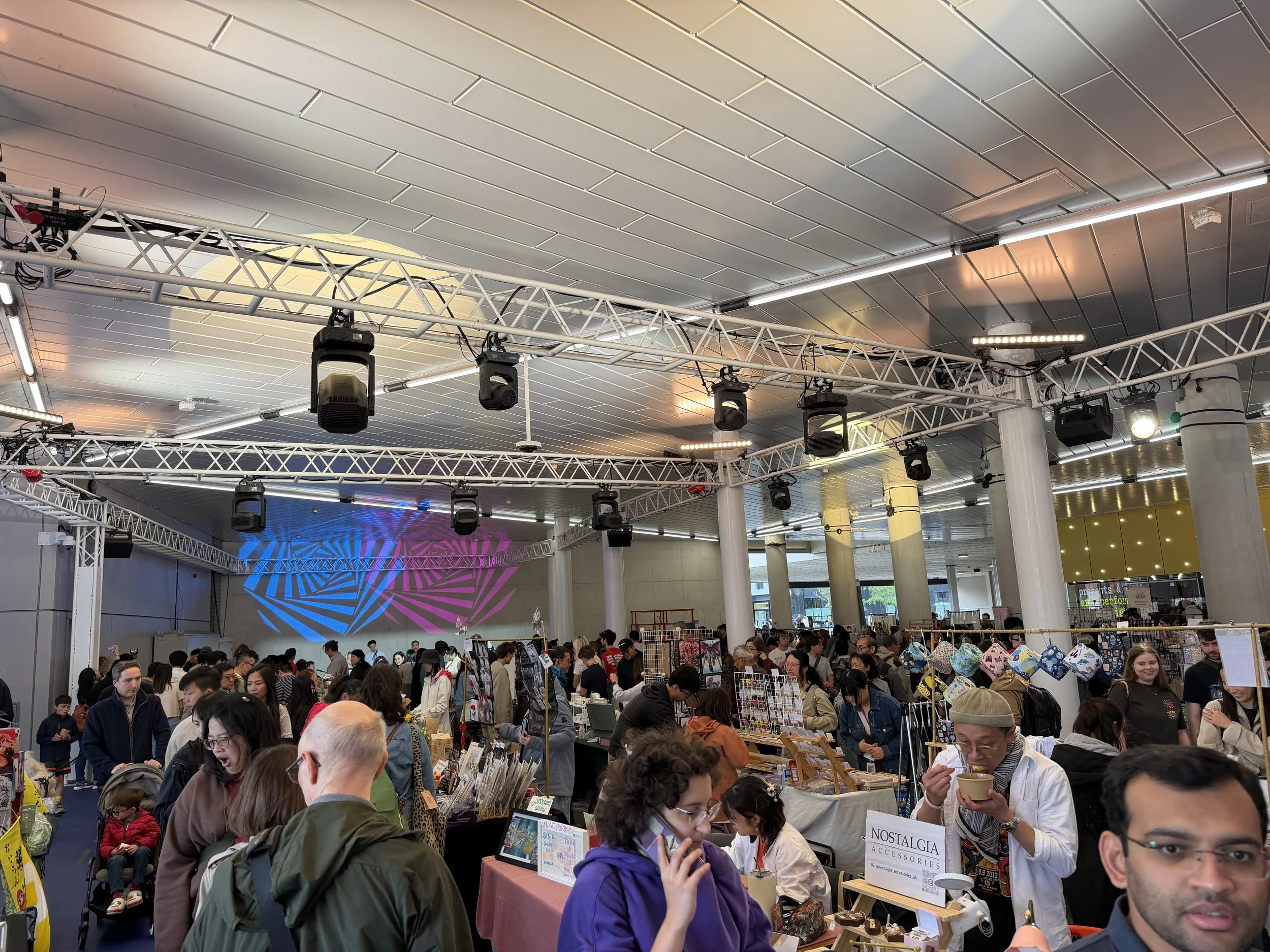
A group of young Hong Kong musicians filled the space with energy and warmth.
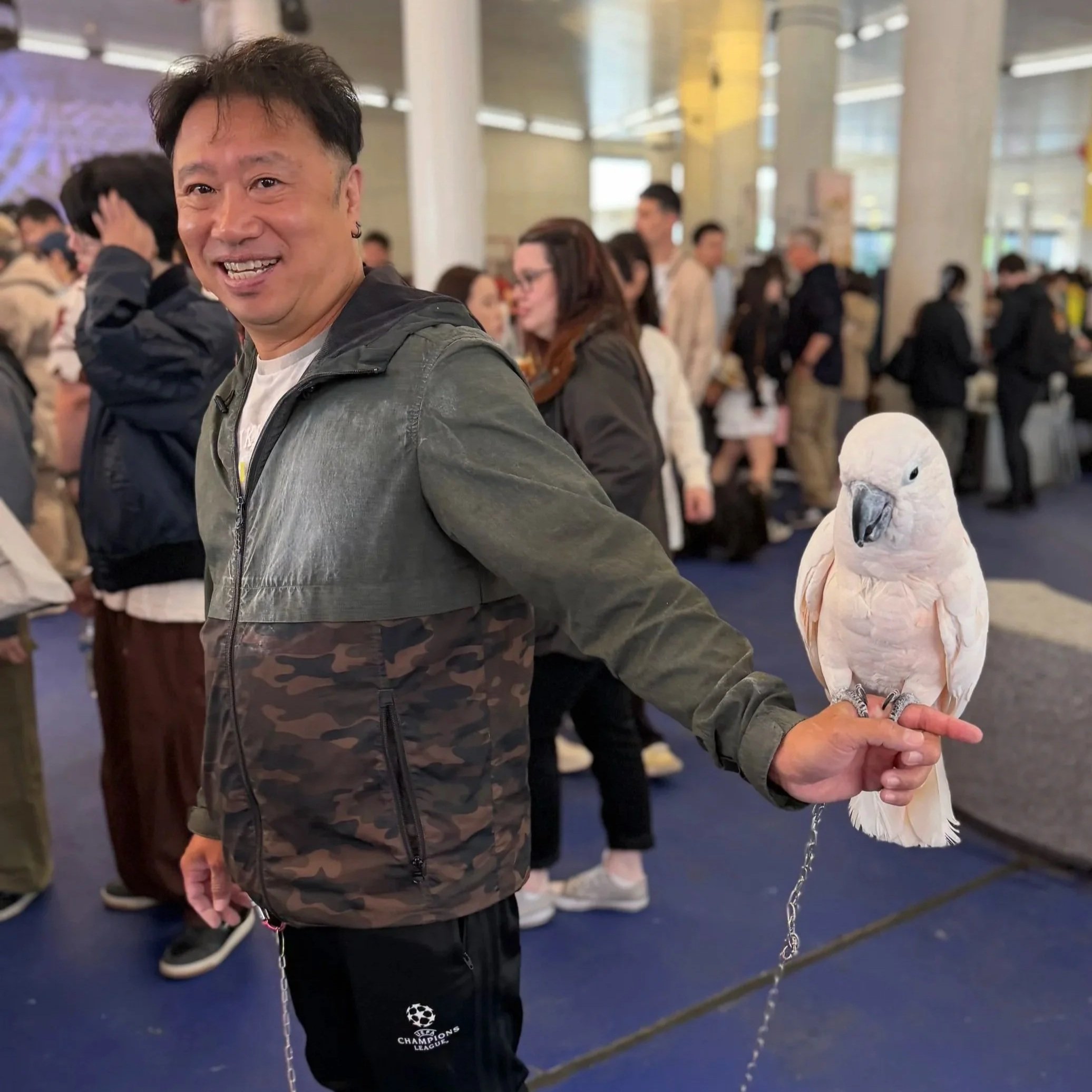
One of those lovely, unplanned moments happened when a Chinese man stopped to pose for a photo, proudly holding a parakeet perched on his arm.
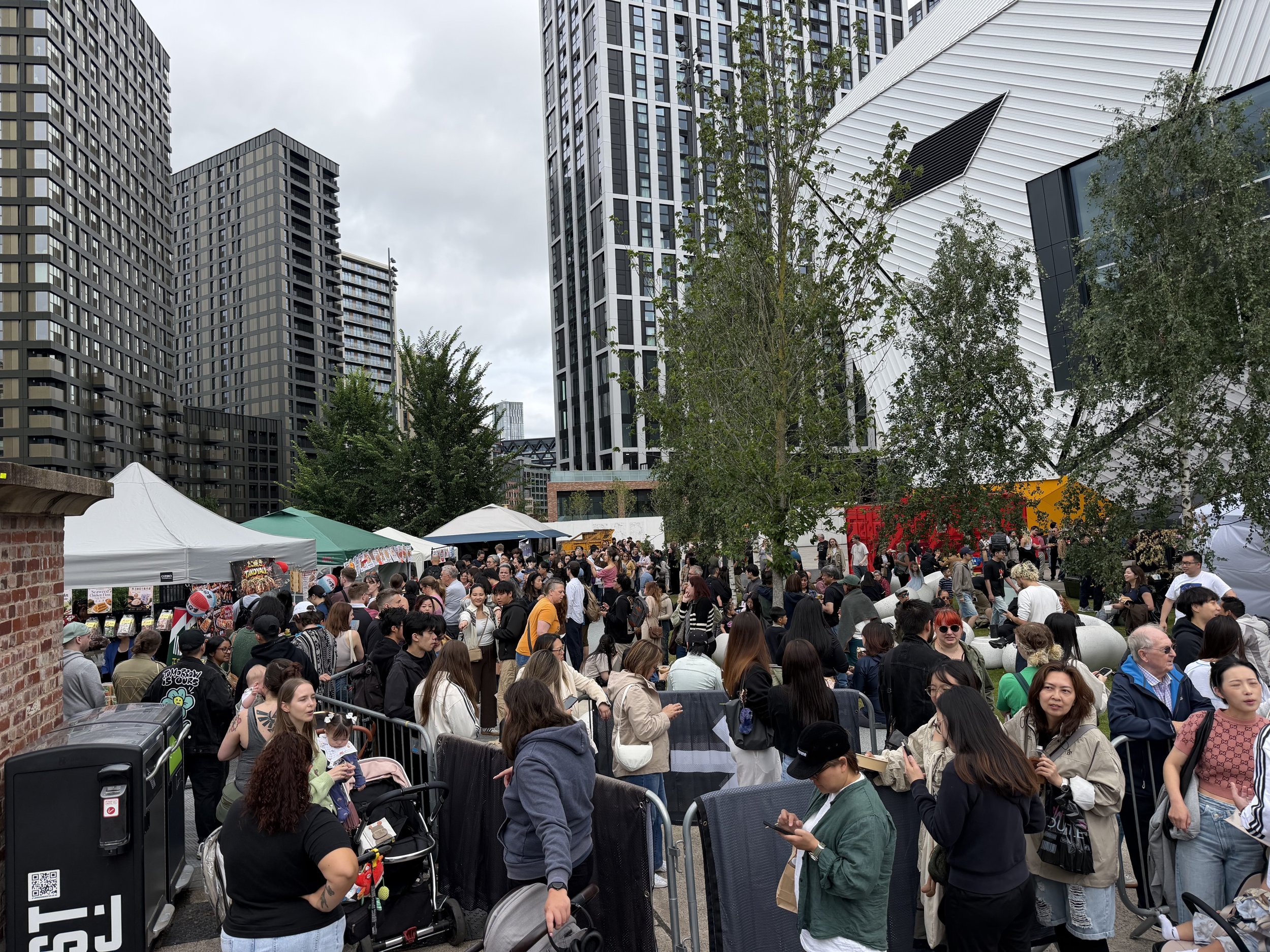
Meanwhile, the food queue seemed endless, with people of all generations chatting, laughing, and soaking up the atmosphere.
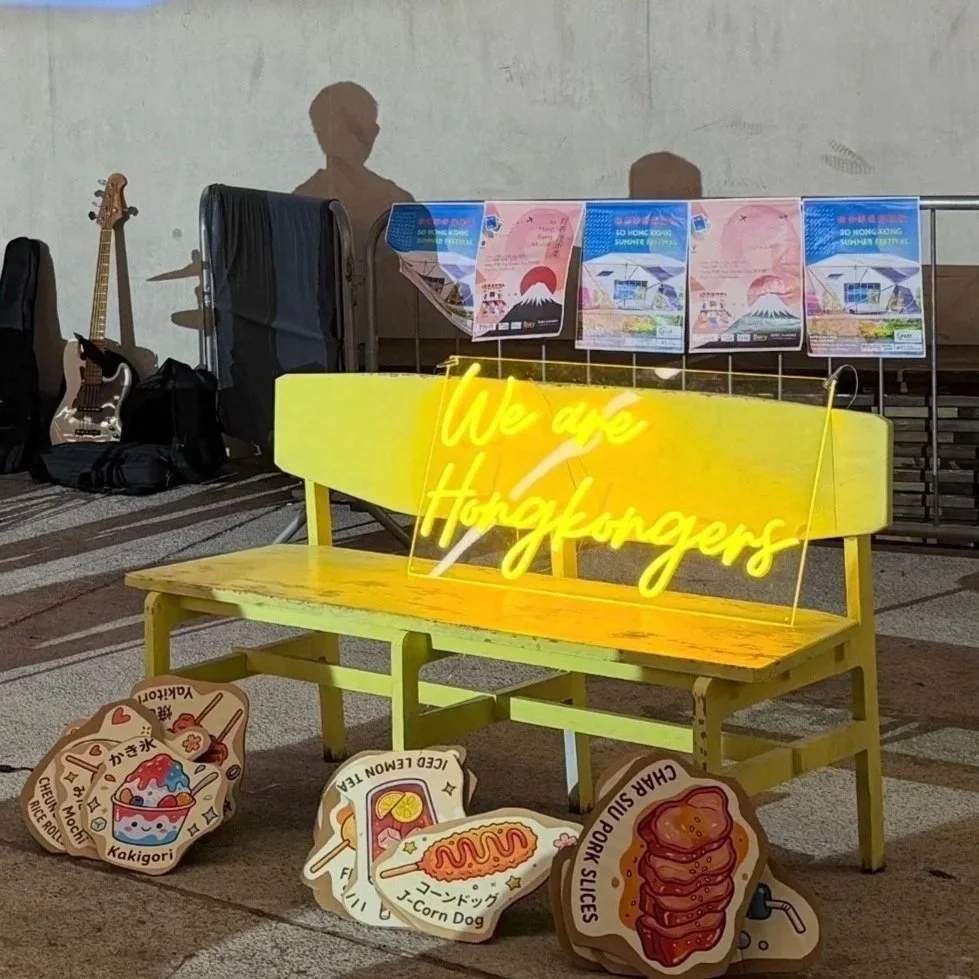
As Ai Weiwei recovered from 24 hours on stage, I wondered (and truly hoped) that he would have the chance to relax and experience the sense of community that had formed around him.
Seeing so many of Ai Weiwei’s works together at Factory International has deepened my admiration for his resilience, his humanity, and his determination to speak out despite the personal cost.
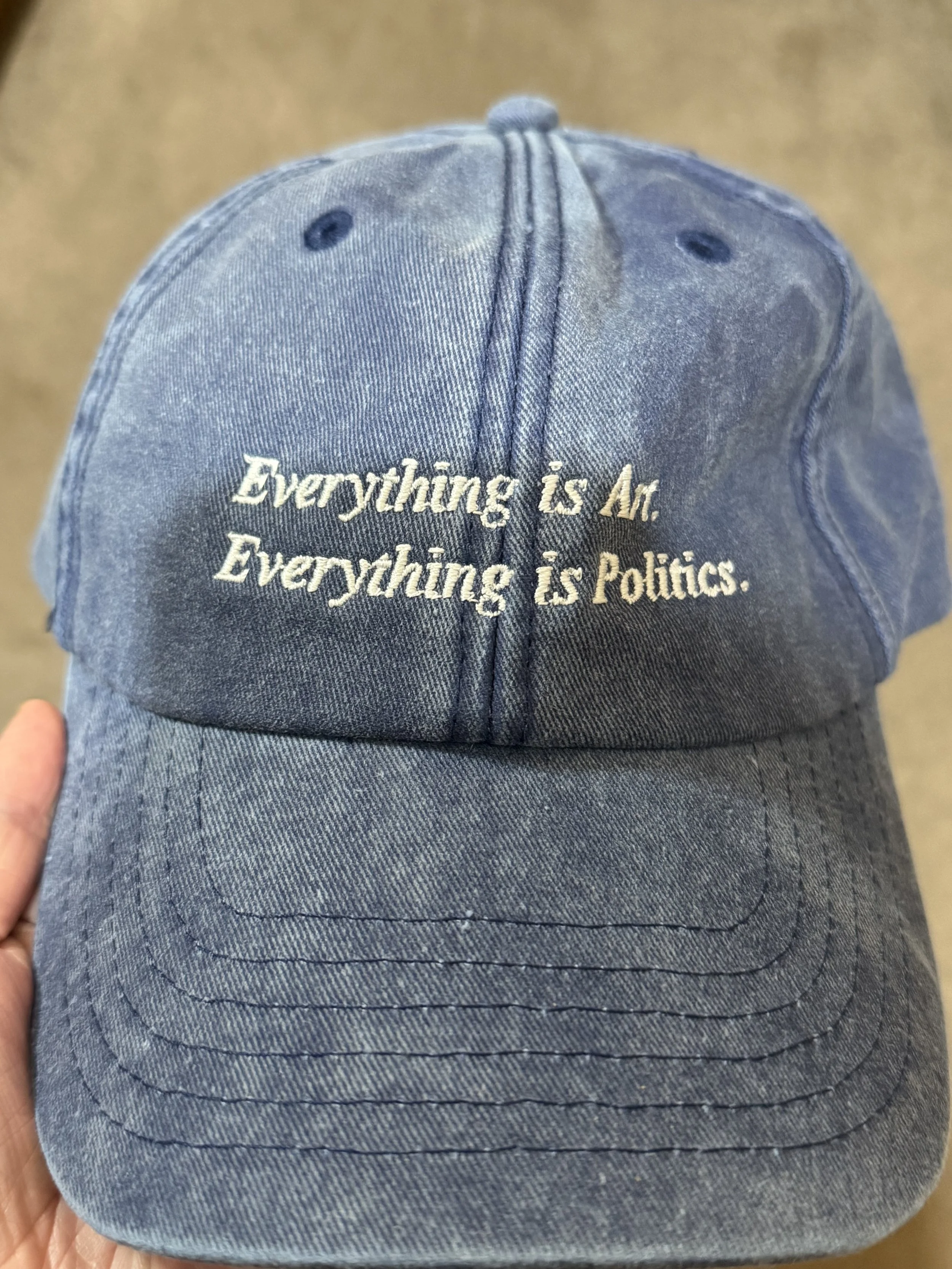
Before leaving, I couldn’t resist buying this cap from the exhibition shop, embroidered with these words ……
It felt like the perfect tribute to Ai Weiwei’s life’s work (to date!) and a fitting reminder of my art adventures in Manchester.
Trying to describe the weekend afterwards, I realised that some experiences are difficult to put into words. I wanted to at least try, which is why writing this blog post has felt such a challenge.
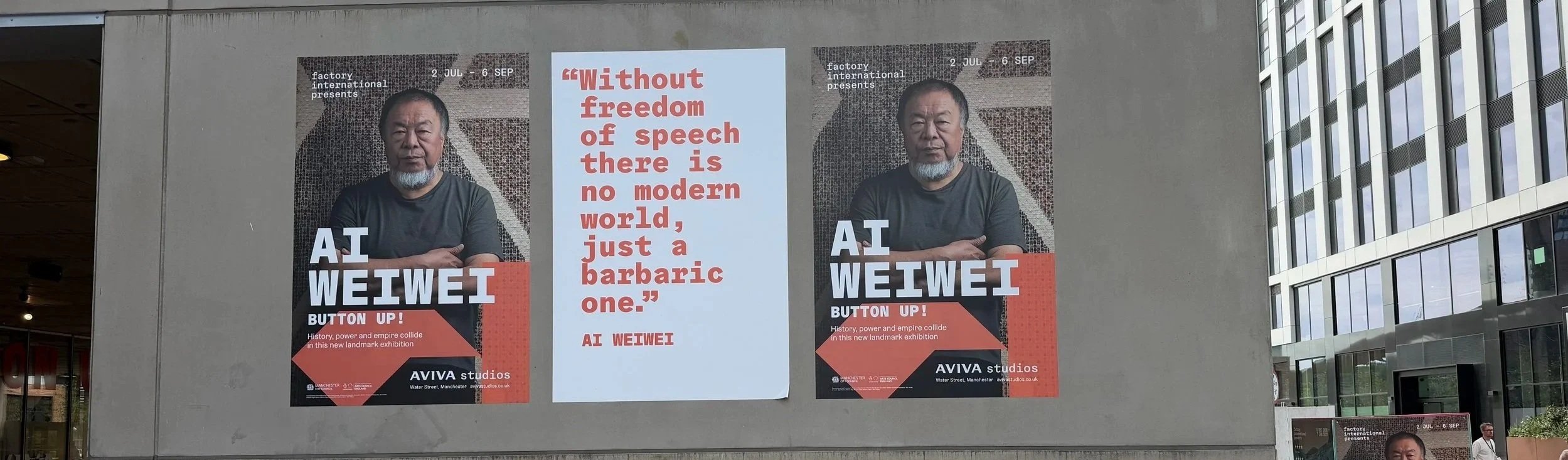
If you haven’t already, you can read Part 1: Button Up! where I share my reflections on Ai Weiwei's work currently on display at Factory International.
The exhibition runs until 6th September. For further info, including the wider programme of events, visit Factory International’s official website.
